

Udaipur – City of Lakes or City of Dogs and Donkeys?
Over the last few weeks, on vacation from my overseas assignment, I am watching that now my City of Lakes is turning into a city of dogs and donkeys
|
Mar 8, 2019, 19:49 IST

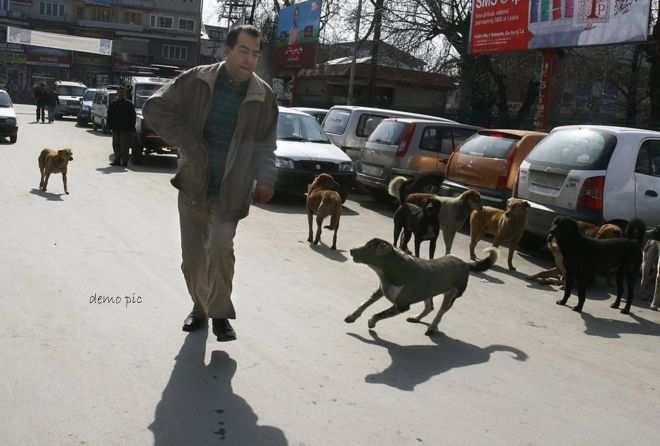 Saheb sher se dar nahi lagta , kutto se lagta hei ! I am fortunate to stay in an area of Udaipur where 50% of its top 5-star hotels are based within just a 2 km radius. Over the last few weeks, on vacation from my overseas assignment, I am watching that now my City of Lakes is turning into a city of dogs and donkeys. I have traveled 73 countries and hundreds of cities, wherein various media interviews when questioned asked me which city I liked the most, my answer has always remained the same: “ Udaipur”. Not because I was born here but because it is, in fact, the most beautiful city in the world. Now we are about to change that , as we have taken it for granted that when tourist comes from the airport to these hotels or from tourist places in the city, what they see are innumerable donkeys on roads in the hotel area as well as group of dogs in day and night who do not allow any evening walk on roads or peaceful sleep at night. These stray dogs are not just a nuisance. They are a public health catastrophe: each year 55,000 people die of rabies in our country. No other country has more annual rabies deaths than us. India has 1 stray dog per 42 people and there are more stray dogs in India than in any other country in the world. Delhi alone has 4 lakh stray dogs. According to government hospital records, there were 80,000 dog bites in Delhi in just 8 months. That’s one dog bite every 6 minutes. Soon Udaipur will find a place in beating this record . Compounding this problem is the high cost of the rabies treatment, which costs to govt. At least 450 rupees in government hospitals, this is prohibitively expensive for most of the population that lives under the poverty line. Why are stray dogs so much more common in Udaipur? First, a common characteristic which encourages stray dog populations — open garbage. Stray dogs are scavengers, so they rely on garbage on the street as a source of food. Here at Udaipur, many hotels and restaurants throw food on streets which result in multiple fold increase in their numbers.
 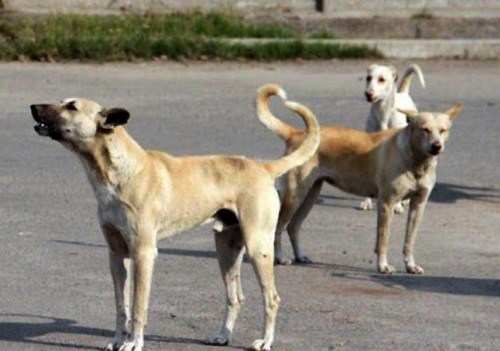 Second, we have fewer government and NGO services that deal with stray dogs. All of the interventions require a lot of resources which we don’t have now since it is blown out of hand, the British started killing stray dogs to control the population. This continued through Independence with up to 50,000 dogs killed each year. Then, the Animals Act with the Animal Birth Control Rules 2001 aimed to revise the government’s stray dog program. Instead of killing stray dogs in India, it says the government would sterilize stray dogs, vaccinate them against rabies, then release the stray dogs back in their original territories. No country suffers as much from the free-roaming dogs as we suffer these number in the tens of millions and bite millions of people annually, including vast numbers of children. Packs of strays lurk in public area, alleyways, and street corners and howl nightly in neighbourhoods. Joggers carry bamboo rods to beat them away, and bicyclists fill their pockets with stones to throw at Chasers. Walking a pet dog here can be akin to swimming with sharks.
 Last month, the top court ordered the government in the southern state of Kerala to pay 40,000 rupees to a man whose wife died after contracting rabies from a dog bite. Do we really love Udaipur? if we do and want to help then
- The first thing you need to start doing to reduce the stray population is to manage your garbage better, be it household, hotel, restaurant or any other unit, dogs survive and grow their numbers on this.
- Local authorities then can help by very aggressive spaying, neutering and vaccinating of dogs.
