

Automobile Guide: Guide to Checking Air Tyre Pressure on Your Automobile

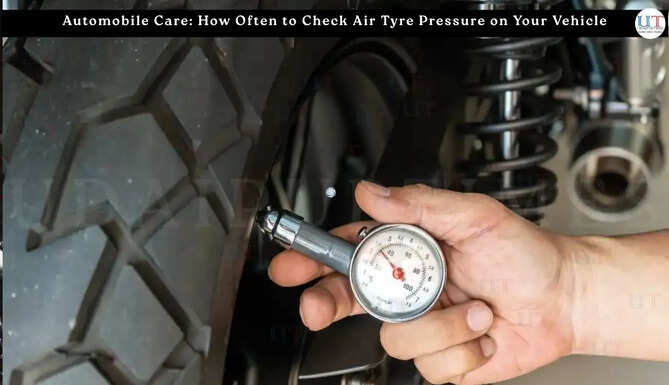
UdaipurTimes, August 26, 2026 | Automobile Updates: It is very important to check the air pressure in your tires while driving. Having the right amount of air in your tires is also essential for safe driving. Low pressure can cause tires to overheat. It can also cause braking and handling problems, and tires wear out quickly. Not only that, but excess air can also reduce the grip of the tires on the road. Therefore, the correct pressure helps maintain the mileage, comfort, and lifespan of the car.
When should you check the tire air pressure?
It is best to check the tire pressure when it is cold. When the tires warm up after driving, the air pressure inside increases temporarily. Therefore, after not driving for a long time, usually wait at least a few hours and then measure the tire pressure of the car. It is a good idea to check the tire air pressure at least once a month and before a long trip.
How much PSI should you keep in the tire?
Tire pressure can be different for each car. The required pressure can also depend on the car model, tire size, and the number of passengers or additional load in the car. So, follow the sticker on the car, the owner's manual, or the manufacturer's prescribed PSI when measuring tire pressure.
Tire pressure has a special relationship with temperature
Tire pressure also changes with changes in temperature. Pressure may decrease in cold weather, while pressure may increase in hot weather. It is especially important to have the correct tire pressure during the rainy season as the roads are wet. This helps in controlling grip during the rainy season.
Nitrogen or regular air?
Although the use of nitrogen in tires is popular, it is not always essential for ordinary cars. Regular pressure checks and filling air as needed are the most important. Even if nitrogen is used, the prescribed PSI should be maintained.
You can also understand the problem by looking at the tire wear
Excessive wear in the middle of the tire can indicate excessive pressure. On the other hand, if the edges of both sides are worn out, there is a possibility of low pressure. So check the tire air regularly and don't forget the spare tire. Maintaining the correct pressure can improve safety, control, and tire life—all three.
