

Fasting the Body, Awakening the Soul
If Ramadan makes us harsher, more argumentative, more self righteous, then we have misunderstood its purpose

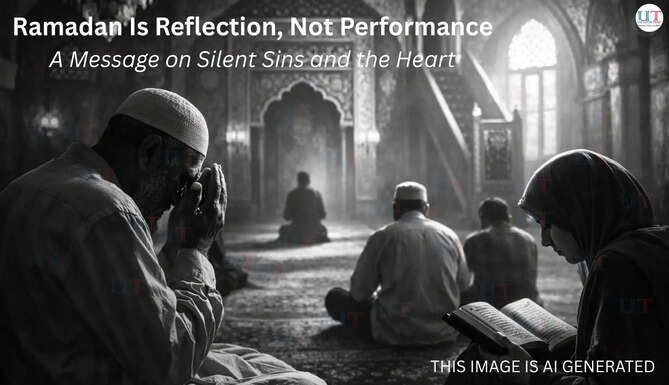
Birmingham, Feb 28, 2026: This is a reminder that Ramadan is not noise and performance, but reflection. It invites us to pause and ask a difficult question:
If we can give up food and drink, why do we struggle to give up anger, pride and gossip?
Ramadan is not merely about abstaining from water at midday. It is about purifying what cannot be seen. Hunger is visible. Thirst is measurable. But arrogance, resentment and hypocrisy are silent. They do not make a sound, yet they erode the soul.

Imam Ali (a.s.) is reported to have said, “How many people fast and gain nothing from their fast except hunger and thirst.” This statement is uncomfortable because it forces us to look beyond ritual. A fast without moral discipline is an empty exercise. It changes the timetable of meals but not the condition of the heart.
The fast is meant to discipline the ego. When the body is restrained, the soul has space to speak. Yet many of us emerge from Ramadan physically lighter but spiritually unchanged. Why? Because we guarded our plates, but not our tongues. We counted our calories, but not our grudges.
There are sins that are loud. Theft. Violence. Open wrongdoing. But there are sins that are silent. Envy that hides behind a smile. Arrogance disguised as confidence. Backbiting wrapped in humour. These are harder to detect because they feel normal. They pass in conversation. They slip through family gatherings. They spread online without thought.

Imam Ja’far al Sadiq (a.s.) taught that the fast is not simply from food and drink, but from false speech and harmful conduct. This transforms the meaning of Ramadan entirely. It means that when we fast, our eyes must fast from what degrades us. Our ears must fast from what corrupts us. Our hearts must fast from what poisons us.
Ramadan is a mirror. It shows us who we really are when our desires are restrained. When hunger sharpens our patience, we see whether we are grateful or irritable. When thirst tightens our throat, we see whether we are gentle or harsh. The fast does not create our character. It reveals it.
For the believer, this month is an opportunity to repair what has been neglected. For the non believer, it is still a profound exercise in discipline, empathy and moral self control. Imagine a society in which people trained themselves for one month to control impulse, to speak kindly, to forgive quickly, to give generously. Even without faith, that discipline would elevate any community.

Yet the tragedy is that many of us reduce Ramadan to cultural habit. We decorate homes. We organise meals. We attend gatherings. But we do not confront ourselves. The silent sins remain untouched.
One of the most dangerous silent sins is pride. Pride whispers that we are better than others because we fast, because we pray, because we attend the mosque. It quietly corrupts worship. Imam Ali warned that arrogance is a garment that belongs only to God. When a human being wears it, even subtly, they shrink their own humanity.
Another silent sin is resentment. Ramadan teaches forgiveness, yet many hearts remain heavy. We stand shoulder to shoulder in prayer while carrying years of bitterness. We recite words of mercy while refusing to extend it.

The fast is meant to soften us. Hunger should remind us of those who live with it daily. Thirst should awaken compassion for the vulnerable. If Ramadan makes us harsher, more argumentative, more self righteous, then we have misunderstood its purpose.
There is also the silent sin of distraction. Endless scrolling. Constant entertainment. We fill every quiet moment so that we do not have to sit with ourselves. Yet Ramadan invites stillness. It invites reflection. It invites uncomfortable honesty.
What if the true hunger we need to confront is not of the stomach, but of the heart?
The heart hungers for meaning. It hungers for forgiveness. It hungers for peace. We often try to satisfy it with noise, achievement, or approval. Ramadan strips away those distractions. It exposes the inner landscape.
For the believer, this is a sacred unveiling. For the sceptic, it is psychological clarity. The discipline of fasting builds resilience. It trains the mind to override impulse. It teaches delayed gratification. These are qualities admired in every moral tradition and every serious philosophy.
Ramadan is not about becoming perfect. It is about becoming aware. Once aware, change becomes possible.

Imam Ja’far al Sadiq (a.s.) is reported to have said that when you fast, let your hearing, your sight and your limbs fast as well. This is a powerful framework. Imagine fasting from sarcasm. Fasting from gossip. Fasting from cynicism. Fasting from contempt. That would transform homes, workplaces and communities.
There is also a deeper dimension. The fast reminds us that we are not self sufficient. We are fragile. A few hours without water and our energy fades. A few hours without food and our mood shifts. It humbles us. It reminds us that we depend on provision beyond ourselves.
Humility is the antidote to many silent sins. When we remember our fragility, we become gentler with others. When we remember our own flaws, we judge less harshly.

The question we must ask is simple:
When Ramadan leaves, what will remain?
Will our patience remain? Will our generosity remain? Will our restraint remain? Or will we return immediately to old habits as if the month was a temporary inconvenience?
Ramadan is a training ground. Eid is not a graduation. It is a checkpoint. It asks whether the training has taken root.
For the believer, this month is a mercy. For the non believer, it is an invitation to consider the power of disciplined self reflection. In a world obsessed with external success, Ramadan calls us inward.
The silent sins are the most dangerous because they feel harmless. But they shape character. They define relationships. They determine legacy.

So before we celebrate completion, we must ask ourselves honestly: have we cleansed only our bodies, or have we begun cleansing our hearts?
O Allah (swt), purify our intentions. Cleanse our hearts from pride, envy and resentment. Allow our fasting to be more than hunger and thirst. Make us people of sincerity, humility and mercy. Accept from us what is sincere, forgive what is flawed, and allow the light of this month to remain within us long after it ends. Ameen.
