

Yoga for Women Part 3 - Managing Perimenopause & Menopause
Continuing with our four-part series on Yoga for Women, Udaipur yoga therapist Sayeeda Hamid Sabir explains perimenopause and menopause, and how yoga becomes particularly valuable at this stage as it supports multiple systems simultaneously

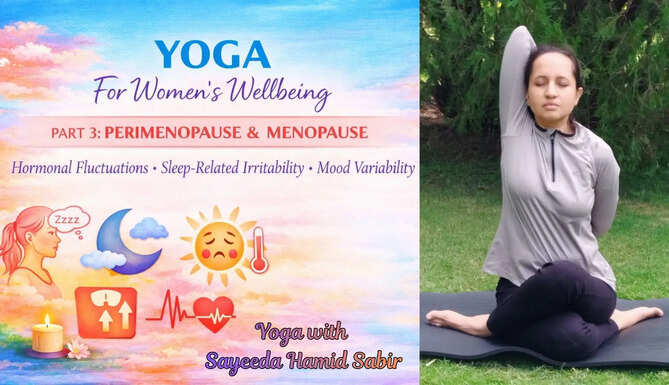
Udaipur, March 22, 2026 - Today, we present Part 3 of our International Women's Day four-part special series on Yoga for Women. The third part focusses on a crucial phase in a woman’s life when she has reached the stage of perimenopause and menopause. Razia Sanwari of UdaipurTimes finds out from Udaipur yoga therapist Sayeeda Hamid Sabir the challenges of this phase and how yoga can help overcome them.
Perimenopause and Menopause: The Hormonal Turning Point
Perimenopause is not a sudden event. It is a gradual biological transition that may begin in the early to mid-40s, sometimes earlier. During this phase, ovarian function becomes less predictable. Ovulation may not occur every cycle. Progesterone levels begin to decline first, followed by fluctuating and eventually decreasing oestrogen levels. Menopause is officially diagnosed after twelve consecutive months without menstruation.
This transition is not a medical disorder; it is a natural endocrine shift. However, the speed and intensity of hormonal fluctuations can make this stage physically and emotionally challenging.
What Happens in the Body
Declining Progesterone Effects
• Irregular or heavier menstrual cycles - because progesterone normally stabilises the uterine lining.
• Sleep disturbances - because progesterone has natural calming and sleep-supporting effects.
• Mood fluctuations or increased anxiety - due to reduced calming influence on the nervous system.
• Breast tenderness and stronger premenstrual symptoms - when oestrogen temporarily dominates.
Declining Oestrogen Effects
- Metabolism slows, causing weight gain especially around the abdomen.
- Bone density decreases, increasing the risk of osteopenia and osteoporosis.
- Muscle mass gradually reduces, affecting strength and joint stability.
- Sleep patterns are disrupted, often due to night sweats or altered melatonin levels (melatonin is the hormone that regulates sleep).
- Cardiovascular risk begins to rise as oestrogen’s protective effects diminish.
Hot flashes, irregular cycles, heavy bleeding in early perimenopause, vaginal dryness and joint stiffness are frequent complaints.
Thyroid imbalances may also surface during this time, sometimes overlapping with menopausal symptoms.
Emotional and Cognitive Changes
Research suggests that a decline in oestrogen during the menopausal transition may be associated with changes in cognitive function and a higher risk of depressive symptoms. Hormonal fluctuations can influence mood and mental clarity, making some women more sensitive to emotional and psychological stress during this stage.
Many women report:
• Brain fog
• Reduced concentration
• Emotional sensitivity
• Sleep-related irritability
• Periods of low motivation
At the same time, midlife can also bring a sense of clarity. As children grow independent and careers become more established, many women begin reassessing their priorities and focusing more on personal well-being.
For many, perimenopause becomes not only a biological transition but also a psychological turning point, shifting attention from outward responsibilities toward greater self-reflection and balance.
Common Challenges
- Slow Metabolism
- Abdominal weight gain
- Reduced muscle tone
- Decreased bone density, increasing risk of bone weakness
- Joint stiffness
- Fatigue
- Sleep disturbance
- Mood variability
Without intervention, reduced physical activity during this stage accelerates metabolic slowdown and musculoskeletal decline.
How Yoga Supports During Perimenopause and Menopause
Yoga becomes particularly valuable at this stage as it supports multiple systems simultaneously - musculoskeletal, endocrine, nervous (including stress and autonomic regulation such as hot flashes) and psychological (emotional balance and mental well-being).
Physical Benefits
Weight-bearing postures stimulate bone remodeling and help preserve bone density. Strength-based asanas maintain muscle mass and joint stability.
Balancing postures enhance proprioception and reduce fall risk, which becomes increasingly important as bone strength declines.
Gentle back bends and chest-opening poses counteract postural collapse and maintain spinal mobility.
Regular practice of asanas supports metabolic function, improves insulin sensitivity and helps reduce abdominal fat accumulation.
Hormonal and Nervous System Regulation
Pranayama practices help regulate the autonomic nervous system. Slow, controlled awareness of breath reduces sympathetic over activation, which may decrease the intensity and frequency of hot flashes in some women. Cooling techniques such as Sheetali or Sheetkari can provide symptomatic relief during heat surges. Practices like Yoga Nidra and guided relaxation support hormonal balance indirectly by reducing night time stress and improving sleep quality.
Emotional Stability and Confidence
Meditation and chanting practices such as Om chanting, promote emotional balance and mental calmness. This phase often challenges a woman’s sense of vitality and femininity, and yoga shifts the focus from external appearance to inner strength and awareness.
Regular practice improves posture, gait and energy levels, gradually restoring confidence. Rather than resisting change, yoga encourages adaptation.
Recommended Practices
(Note: Practices should be adapted to individual strength, flexibility and any existing pain or injury. Pranayama may be selected according to one’s constitution [Vata, Pitta, Kapha] and current imbalances for optimal benefit.)
Warm-Up
- Gentle joint stretching and rotations
Ankle, Waist, Shoulders, Neck
Asanas
- Weight Bearing Asanas
Kumbhak asan (Plank Pose), Ardh or Purn Purvottanasana (Upward Plank Pose), Ardh or Purn Paduttanasana (Raised Leg Pose)
- Strengh Based Asanas
Veerbhadrasana (Warrior Pose), Utkatasana (Chair Pose)
- Balancing Asanas
Tadasan (Mountain Pose), Vrikshasana (Tree Pose)
- Gentle back bends and chest-opening Asanas
Ardh Chakrasana (Half Wheel Pose), Setu Bandhasana (Bridge Pose), Ushtrasana (Camel Pose)
Pranayama
- Anulom Vilom
- Bhramari
- Sheetali or Sheetkari (for hot flashes)
Meditation
- Yoga Nidra (10 -15 minutes)
- Om chanting
Sayeeda Hamid Sabir has 10 years plus experience as a yoga therapist. Her qualifications include - Masters in Yoga, CAHS-Acupressure, UGC-NET (Yoga) qualified and Research Scholar (MLSU).
#Perimenopause #MenopauseHealth #HormonalBalance #WomenWellness #YogaForHealth #MidlifeHealth #HormoneHealth #MenopauseSupport #HealthyAging #RajasthanHealth #UdaipurWellness #NaturalHealing
