


AHK-Cu: A Copper Peptide at the Crossroads of Regenerative Signaling and Molecular Coordination
Research focuses on extracellular matrix remodeling, hair follicle biology, redox balance, angiogenesis, and gene expression
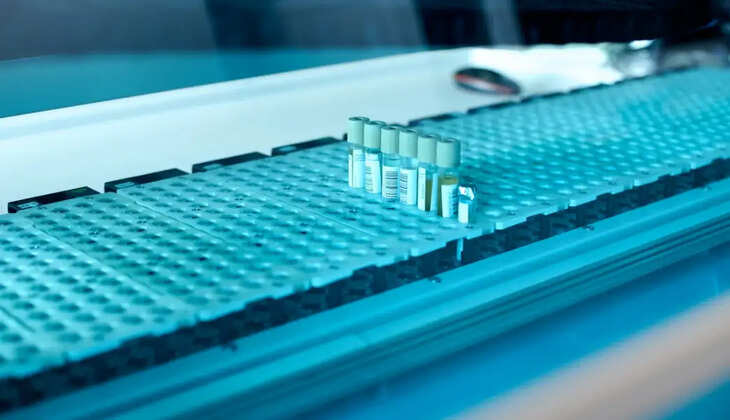
April 24, 2026: Within the evolving landscape of peptide biology, short bioactive sequences have increasingly attracted attention for their potential to interact with complex biochemical networks despite their structural simplicity. Among these, AHK-Cu — a copper-complexed tripeptide composed of alanine, histidine, and lysine — occupies a particularly intriguing position. Though modest in size, this peptide–metal complex has been explored across diverse research domains, including extracellular matrix remodeling, dermal regeneration, follicular biology, oxidative balance, and transcriptional regulation. Rather than functioning as a classical hormone or growth factor, AHK-Cu represents a minimal signaling unit whose theoretical relevance lies in coordination chemistry and informational modulation within the organism.
AHK-Cu belongs to the broader family of copper-binding peptides, a group that includes the more widely discussed GHK-Cu. However, AHK-Cu is structurally distinct. The alanine-histidine-lysine sequence confers a specific geometry for copper coordination, primarily through the imidazole ring of histidine and the amino groups of adjacent residues. This configuration is believed to enable stable chelation of divalent copper ions under physiological-like conditions. Copper, as a redox-active trace element, participates in enzymatic reactions central to collagen cross-linking, antioxidant defense, mitochondrial respiration, and angiogenic signaling. By forming a peptide-bound complex, copper may be stabilized and spatially directed within microenvironments of the organism.
Molecular Structure and Coordination Dynamics
The tripeptide AHK consists of three amino acids arranged in a linear sequence: alanine at the N-terminus, histidine in the central position, and lysine at the C-terminus. Histidine is widely studied for its metal-binding potential due to the nitrogen-containing imidazole side chain. When copper ions interact with AHK, coordination likely involves histidine’s imidazole nitrogen along with backbone amide nitrogens, forming a chelate complex that stabilizes copper in a biologically relevant oxidation state.
Research indicates that copper peptides may act as molecular chaperones, facilitating controlled copper distribution in extracellular compartments. Rather than functioning as mere carriers, these complexes might influence gene expression patterns associated with tissue remodeling. Investigations purport that copper-peptide complexes may interact with integrin-mediated signaling pathways, growth factor cascades, and metalloproteinase regulation networks.
Extracellular Matrix Modulation and Collagen Dynamics
One of the most discussed research domains surrounding copper peptides involves extracellular matrix (ECM) organization. The ECM is composed primarily of collagen, elastin, glycoproteins, and proteoglycans, forming a structural scaffold that supports cellular communication and mechanical resilience within the organism. Copper ions are essential cofactors for lysyl oxidase, an enzyme involved in collagen and elastin cross-linking. Through its copper-binding properties, AHK-Cu may theoretically contribute to microenvironmental conditions favorable to matrix restructuring.
Research indicates that copper-peptide complexes may influence transcriptional activity related to collagen synthesis, including type I and type III collagen expression patterns. Additionally, investigations purport that copper-associated signaling gradients might indirectly modulate metalloproteinases and their inhibitors. Within regenerative research frameworks, AHK-Cu has been examined as a candidate molecule with the potential of influencing matrix turnover, thereby contributing to structural equilibrium within dermal and connective tissues.
Angiogenic Signaling and Microvascular Coordination Research
Copper plays a recognized role in angiogenic signaling, interacting with pathways involving vascular endothelial growth factor (VEGF) and related mediators. Within this context, AHK-Cu has been explored for its theoretical involvement in microvascular organization. Research suggests that copper availability in localized extracellular niches may influence endothelial cell migration and capillary formation processes within research models.
Investigations purport that AHK-Cu might contribute to the stabilization of copper in bioavailable yet regulated forms, thereby supporting angiogenic signaling cascades without abrupt fluctuations in free copper ion concentrations. Investigations purport that the peptide–metal complex may modulate hypoxia-inducible transcriptional programs, potentially influencing gene expression patterns associated with oxygen sensing and nutrient distribution.
Such coordination may be particularly relevant in tissue remodeling contexts where balanced angiogenesis supports regenerative architecture. Rather than acting as a direct growth factor, AHK-Cu is thought to function as a microenvironmental regulator influencing copper-dependent enzymatic networks.
Follicular Biology and Keratinocyte Regulation Studies
Within dermatological and follicular research domains, copper peptides have attracted attention for their potential to influence hair follicle dynamics. Research indicates that certain copper complexes may interact with dermal papilla cells, influencing growth factor signaling and extracellular matrix interactions within follicular units.
AHK-Cu, by virtue of its copper-binding potential, has been hypothesized to participate in signaling pathways that regulate follicular cycling phases. Investigations purport that copper-associated peptides may modulate the expression of transforming growth factor-beta (TGF-β) and other regulators of follicular regression and renewal. Additionally, keratinocyte proliferation and migration processes might be indirectly influenced through copper-dependent enzymatic pathways.
In this context, the peptide is speculated to act as a coordinator of signaling gradients rather than a direct proliferative stimulus. The concept of microenvironmental modulation remains central: AHK-Cu seems to help maintain balanced signaling rather than imposing supraphysiological stimulation.
Oxidative Balance and Redox Modulation Research
Copper is intrinsically linked to redox chemistry, participating in enzymes such as superoxide dismutase (SOD). Reactive oxygen species (ROS) play dual roles within the organism — serving as signaling molecules at controlled levels while contributing to oxidative stress when dysregulated. Research suggests that copper-peptide complexes may influence redox equilibrium by modulating copper bioavailability for antioxidant enzymes.
Findings imply that AHK-Cu might participate in subtle redox buffering processes, potentially influencing gene networks related to oxidative stress response. Investigations purport that copper-peptide complexes may alter expression patterns of antioxidant defense genes through interactions with transcription factors sensitive to redox state.
Rather than functioning as classical antioxidants, these complexes appear to support enzymatic systems responsible for oxidative regulation. This distinction is important: the peptide does not seem to directly neutralize reactive species but appears to potentially influence the organism’s intrinsic redox management systems.
Transcriptional and Epigenetic Considerations
Emerging peptide research increasingly explores interactions between short sequences and gene expression networks. Copper ions themselves are speculated to influence transcriptional regulation through metal-responsive elements and associated transcription factors. Within this framework, AHK-Cu appears to influence gene expression indirectly through copper-mediated signaling pathways.
Research indicates that copper-peptide complexes may alter expression profiles associated with inflammation resolution, tissue remodeling, and cellular differentiation. Investigations purport that copper gradients might influence epigenetic markers such as histone acetylation patterns, given copper’s involvement in certain enzymatic reactions linked to chromatin remodeling.
Conclusion
AHK-Cu embodies the principle that biological influence does not require structural complexity. As a copper-bound tripeptide, it is purported to integrate coordination chemistry with peptide-mediated signaling, situating itself within regenerative, angiogenic, redox, and transcriptional research domains. Research suggests that its properties may extend beyond simple copper transport, potentially influencing extracellular matrix dynamics, oxidative balance, and gene expression networks. Visit Core Peptides for the best research resources.
References
[i] Pickart, L., & Thaler, M. M. (1973). Tripeptide in human serum which prolongs the survival of normal liver cells and stimulates growth in neoplastic liver. Nature, 243(5406), 85–87. https://doi.org/10.1038/243085a0
[ii] Sen, C. K., Khanna, S., Venojarvi, M., Trikha, P., Ellison, E. C., Hunt, T. K., & Roy, S. (2002). Copper-induced vascular endothelial growth factor expression and wound healing. American Journal of Physiology-Heart and Circulatory Physiology, 282(5), H1821–H1827. https://doi.org/10.1152/ajpheart.01015.2001
[iii] Pickart, L., Vasquez-Soltero, J. M., & Margolina, A. (2015). The human tripeptide GHK-Cu in prevention of oxidative stress and degeneration of cells and tissues: Implications for anti-aging interventions. Rejuvenation Research, 18(2), 168–181. https://doi.org/10.1089/rej.2014.1624
[iv] Kagan, H. M., & Li, W. (2003). Lysyl oxidase: Properties, specificity, and biological roles inside and outside of the cell. Journal of Cellular Biochemistry, 88(4), 660–672. https://doi.org/10.1002/jcb.10413
[v] Kim, B. E., Nevitt, T., & Thiele, D. J. (2008). Mechanisms for copper acquisition, distribution and regulation. Nature Chemical Biology, 4(3), 176–185. https://doi.org/10.1038/nchembio.72
#AHKCu #CopperPeptides #PeptideResearch #BiotechInsights #SkinScience
#HairResearch #AntiAgingScience #MolecularBiology #RedoxBiology
#UdaipurNews #RajasthanScience #IndiaBiotech #HealthInnovation
#DermalResearch #CollagenScience #Angiogenesis