

How Car Buying Has Become More Data-Driven Than Emotional
The move towards data-driven buying has changed the automotive market itself
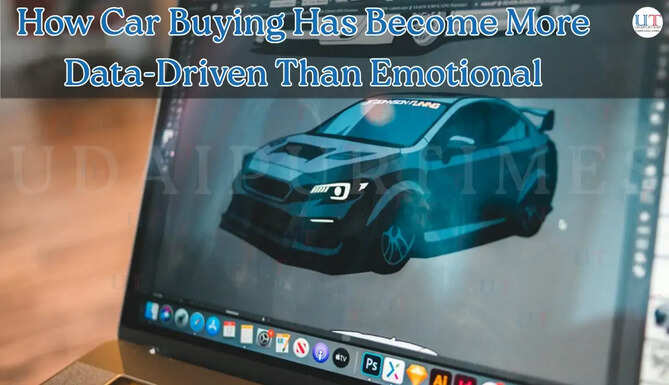
Udaipur, June 16, 2026 | Auto Blog: Buying a car has traditionally been an emotional experience. Buyers were often influenced by factors such as brand image, styling, advertising, and recommendations from family and friends. While emotions still play a role today, the decision-making process has become far more analytical.
Modern car buyers increasingly rely on data, comparisons, and research before making a purchase. This shift has transformed car buying from an instinctive decision into a more calculated one. Buying a Car in rajasthan
The Earlier Emotional Approach
In the past, car buying was often shaped by:
- Brand loyalty
- Word-of-mouth recommendations
- Visual appeal and status value
Many buyers chose cars based on:
- What looked attractive
- What friends or relatives owned
- What felt aspirational
The decision-making process was simpler because there were fewer options and less accessible information.
Why Buyers Are More Analytical Today
Several factors have contributed to the rise of data-driven car buying.
1. More Choices in the Market
Today’s buyers can choose from:
- Hatchbacks, sedans, SUVs, and EVs
- Multiple fuel options
- Numerous variants within the same model
This variety makes research essential.
2. Cars Have Become More Expensive
As vehicle prices increase, buyers are more cautious.
They now evaluate:
- Total ownership cost
- Maintenance expenses
- Fuel efficiency and resale value
This financial awareness naturally encourages a more research-based approach.
Access to Information Has Changed Everything
The internet has completely transformed the buying journey.
Buyers now have access to:
- Expert reviews and comparisons
- Real-world ownership experiences
- Safety ratings and feature breakdowns
Platforms like ACKO Drive help simplify this process by allowing users to compare cars, evaluate ownership costs, and understand feature differences in one place. Buying a Car in India
This easy access to information has made buyers more informed than ever before.
Comparison Culture Is Growing
Modern buyers rarely evaluate a single car in isolation.
They compare:
- Features across variants
- Safety ratings
- Running and maintenance costs
- Practicality for daily use
This comparison-driven mindset reflects how decisions are increasingly based on measurable value rather than on emotional appeal alone.
Safety and Reliability Matter More
Earlier, safety was often overlooked in favour of design or brand image.
Today, buyers actively research:
- Crash test ratings
- Number of airbags
- Advanced safety technologies
Similarly, reliability and after-sales support have become important considerations.
This shift highlights how practical thinking is influencing buying behaviour.
The Role of Ownership Cost
One of the clearest signs of data-driven buying is the focus on ownership costs.
Buyers now calculate:
- Fuel or charging expenses
- Service and maintenance costs
- Insurance premiums
- Long-term resale value
This level of financial planning was less common in earlier buying decisions.
Emotional Factors Still Exist
Despite the rise of data-driven decisions, emotions have not disappeared completely.
Buyers are still influenced by:
- Design and road presence
- Brand perception
- Aspirational value
However, emotions now tend to support rather than drive decisions.
A buyer may love how a car looks, but they are still likely to compare:
- Safety ratings
- Features
- Practicality
before finalising the purchase.
Social Media and Video Reviews Influence Decisions
Video content has also changed buyer behaviour.
People now:
- Watch detailed walkarounds
- Compare multiple ownership reviews
- Understand real-world pros and cons
This helps buyers validate their decisions using information from multiple sources.
First-Time Buyers Are More Informed Than Before
Even first-time buyers now spend significant time researching before purchasing a car.
They:
- Compare variants and features
- Study ownership experiences
- Evaluate value for money
This shows how deeply research has become integrated into the buying process.
The Role of Digital Platforms
Digital automotive platforms have accelerated this shift.
Platforms like ACKO Drive allow buyers to:
- Compare cars side-by-side
- Understand transparent pricing
- Explore ownership costs and practical usability
This reduces uncertainty and helps buyers make more confident decisions.
Why This Shift Matters
The move towards data-driven buying has changed the automotive market itself.
Automakers now focus more on:
- Safety and transparency
- Long-term ownership value
- Feature differentiation
This is because buyers are no longer satisfied with marketing alone—they want proof and practicality.
Final Thoughts
Car buying today is no longer driven purely by emotion.
Modern buyers rely on:
- Research
- Comparisons
- Ownership insights
- Data-backed evaluations
While emotional appeal still matters, it now works alongside logic rather than replacing it.
Platforms like ACKO Drive reflect this new era of informed buying by helping users navigate choices with greater clarity and confidence.
Because in today’s market, the smartest purchase is not just the one that feels right—it’s the one that makes sense in the long run.
