

How Luxury Car Buyers Are Adapting to the EV Transition

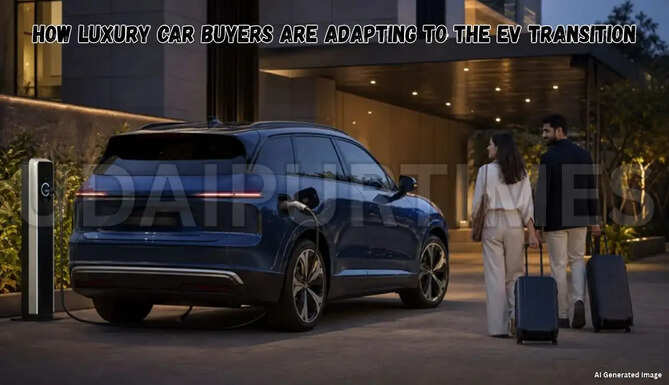
UdaipurTimes, 25 November 2026 | Automobiles EV Segment: Luxury showrooms are having strange conversations lately. A buyer walks in asking about a petrol saloon and leaves clutching a spreadsheet of electricity tariffs. Another books an electric SUV, then quietly cancels after a chat with the housing society secretary.
At the premium end of the market, the shift to electric power is rarely ideological - it's arithmetic. Parking realities. A fair amount of trial and error.
Buyers Now Shop the Parking Bay Before the Car
That changes everything. The old buying sequence was simple: pick the car, negotiate, arrange finance, take delivery. Electric ownership flips that order entirely. A typical home wallbox requires a dedicated high-amperage circuit and a sanctioned load that most older apartment blocks simply don't have. Getting there means a load enhancement application with the local discom, a written NOC from the resident welfare association, and often a fresh cable run from the meter room to the basement.
Timelines vary widely by city and building age, and there is no clean average.
So cross-shopping has become common. Someone comparing a BMW 3 Series against an electric equivalent usually isn't weighing performance - both are quick enough. They're weighing whether the building can support a charger within a reasonable timeframe, and whether a long intercity drive can actually be planned around DC fast chargers on that specific highway corridor.
One thing worth checking early: whether the parking slot is owned or allotted. Allotted slots complicate installation because the society can reassign them.
The Running Cost Maths Is Not as Simple as It Looks
Home charging costs drop dramatically compared with petrol. That part is real. But the savings get partly eaten elsewhere, and the line items that bite you aren't the obvious ones.
Electric luxury cars are heavy. That weight, combined with instant torque, chews through tyres faster than an equivalent petrol model. The common assumption is that EVs just cost less to run, full stop. In practice it's more complicated.
Replacement rubber in the sizes these cars wear isn't cheap, and staggered setups mean rotation isn't always an option. Insurance is another figure buyers consistently underestimate, since premiums track the insured declared value, and electric variants usually carry higher ex-showroom prices than their combustion siblings.
On the other side of the ledger, scheduled servicing is genuinely lighter. No oil changes, no spark plugs, no timing components. Brake pads last longer too, because regenerative braking does most of the slowing. Many owners find annual maintenance drops to little more than brake fluid, cabin filters, coolant checks for the battery pack, and a software update.
Road tax and registration treatment differ by state. Several states have offered concessions on electric car registrations, but those benefits don't apply everywhere. Confirm the position with your RTO before purchase.
Resale Is Where the Real Anxiety Sits
Premium buyers change cars often. Three to four years is a normal cycle, which means the second sale matters more than the first purchase price. Most buyers obsess over depreciation curves. Fewer think about what makes an electric car easy, or genuinely difficult, to sell on.
Treat battery health as a documented asset, not a hope. A state of health reading pulled from the car's diagnostics tells a prospective buyer far more than odometer figures do. Charging history matters too. A car that's lived on DC fast chargers has had a harder life than one topped up slowly overnight at home.
Sensible sellers keep service records, the original charging cable, and written confirmation that the battery warranty transfers to the next owner.
Used inspections for electric cars include specific verification steps. The paint thickness gauge still comes out. The chassis number plate is still verified against the RC. Form 29 and Form 30 still need signing.
Added to that list: software version checks, high voltage cable inspection, confirmation that no fault codes are sitting in the battery management system. Anyone evaluating to buy a new BMW iX or a comparable electric SUV, the process is straightforward, but when it comes to used electric cars, you should obtain the battery report as mandatory paperwork
Many Buyers Are Choosing a Bridge, Not a Leap
The pattern showing up across premium households isn't dramatic. Quietly pragmatic is a better description. The electric car becomes the daily driver: school runs, office commutes, weekend errands within city limits. The older petrol or diesel car stays in reserve for long drives, hill trips, anything involving unfamiliar routes where range anxiety would otherwise dominate every decision.
Strong hybrids fill a similar role for buyers who can't install a charger yet. They deliver a meaningful chunk of the efficiency benefit without demanding any change to the parking arrangement.
Charging infrastructure is maturing, but it isn't there yet, and there's nothing irrational about planning around that gap rather than pretending it doesn't exist.
Disclaimer: This Post is not written or produced by UdaipurTimes writers/journalists. UdaipurTimes follows ASCI guidelines for Online Advertising. The information may involve financial or health risk and UdaipurTimes does not endorse or promote any claims made in this post.
