

SWP vs SIP: Understanding Fund Types Before You Start
In this guide, we explore the core differences between SIP and SWP, examine the role of fund categories, and explain how investors can align these strategies with their long-term financial goals

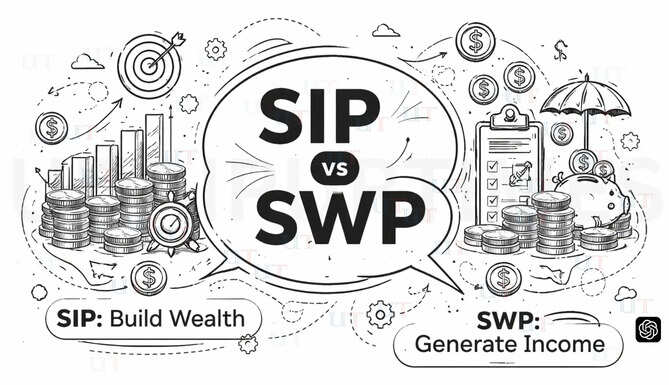
Udaipur, Mar 12, 2026: Investors entering the world of mutual funds often encounter two powerful strategies: Systematic Investment Plan (SIP) and Systematic Withdrawal Plan (SWP). While both mechanisms operate within mutual fund investments, they serve completely different financial objectives. Understanding how they work—and how different mutual fund types interact with them—is essential for building a disciplined and effective investment strategy.
In this guide, we explore the core differences between SIP and SWP, examine the role of fund categories, and explain how investors can align these strategies with their long-term financial goals.
What Is a Systematic Investment Plan (SIP)?
A Systematic Investment Plan (SIP) is a disciplined investment method that allows investors to invest a fixed amount at regular intervals—typically monthly—into mutual funds. Instead of making a large lump-sum investment, SIP spreads the investment over time.
This strategy is widely used because it promotes financial discipline and long-term wealth creation.
Key Features of SIP
-
Regular investing: Fixed investments at predetermined intervals.
-
Rupee cost averaging: Buying more units when prices are low and fewer when prices are high.
-
Compounding benefits: Long-term growth through reinvested returns.
-
Low entry barrier: Investors can begin with small monthly amounts.
SIP is primarily designed for wealth accumulation, making it suitable for individuals building financial security for goals such as retirement, education, or property purchases.
What Is a Systematic Withdrawal Plan (SWP)?
A Systematic Withdrawal Plan (SWP) works in the opposite direction of SIP. Instead of investing money regularly, investors withdraw a fixed amount periodically from their mutual fund investment.
This method is often used by individuals who have already accumulated wealth and wish to generate a steady income stream from their investments.
Key Features of SWP
-
Regular income generation
-
Flexible withdrawal frequency (monthly, quarterly, or annually)
-
Tax efficiency compared to traditional income methods
-
Continued investment growth on the remaining amount
SWP is especially popular among retirees or investors seeking passive income while keeping their funds invested.
Core Differences Between SIP and SWP
Understanding the difference between these two strategies is critical for selecting the right approach.
| Feature |
SIP |
SWP |
| Purpose |
Wealth accumulation |
Income generation |
| Cash Flow |
Money invested regularly |
Money withdrawn regularly |
| Ideal For |
Long-term investors |
Retirees or income seekers |
| Risk Management |
Benefits from market averaging |
Requires stable investment base |
| Investment Stage |
Early or mid financial journey |
Later stage of financial planning |
The distinction is simple yet powerful: SIP, or Systematic Investment Plan, helps build wealth, while SWP, or Systematic Withdrawal Plan, helps distribute it.
Understanding Mutual Fund Types Before Using SIP or SWP
Before implementing either strategy, investors must understand the type of mutual funds involved. Different fund categories carry different levels of risk, volatility, and return potential.
Selecting the correct fund type is critical to ensure that SIP or SWP functions effectively.
Equity Mutual Funds
Equity funds primarily invest in stocks and are known for their high growth potential over the long term.
Why Equity Funds Work Well with SIP
-
Market volatility benefits rupee cost averaging
-
Long investment horizon maximizes compounding
-
Higher return potential compared to debt funds
Because equity markets fluctuate frequently, SIP allows investors to average their purchase cost, reducing the impact of market timing.
However, equity funds are generally not ideal for SWP unless the portfolio is large and diversified, because withdrawals during market downturns may reduce long-term growth.
Debt Mutual Funds
Debt funds invest in fixed-income securities such as government bonds, treasury bills, and corporate debt instruments.
Why Debt Funds Suit SWP
Debt funds are often considered appropriate for Systematic Withdrawal Plans because they offer:
-
Lower volatility compared to equity funds
-
More predictable returns
-
Stable income generation potential
For investors seeking steady cash flow, debt funds combined with SWP provide a relatively stable financial structure.
Hybrid Mutual Funds
Hybrid funds combine both equity and debt components within the same portfolio.
These funds aim to balance growth and stability, making them a versatile option for both SIP and SWP strategies.
Benefits of Hybrid Funds
-
Balanced risk exposure
-
Moderate return potential
-
Better capital protection than pure equity funds
Hybrid funds can serve investors transitioning from wealth accumulation to income generation, offering flexibility across different life stages.
When Should Investors Choose SIP?
SIP is most effective when investors are in the wealth-building phase of their financial journey.
Ideal Scenarios for SIP
-
Early career professionals starting investments
-
Investors with long-term financial goals
-
Individuals who prefer disciplined investing
-
Those who want to reduce market timing risks
Because SIP spreads investment across multiple market cycles, it helps create long-term portfolio stability and growth.
When Should Investors Choose SWP?
SWP becomes valuable once a significant investment corpus has been built.
Ideal Scenarios for SWP
-
Retirement income planning
-
Supplementing pension or salary
-
Generating passive income streams
-
Managing regular expenses without liquidating the entire portfolio
By withdrawing only a fixed portion of the investment, SWP allows the remaining capital to continue growing in the market.
Combining SIP and SWP for Complete Financial Planning
Smart investors often use both strategies at different stages of life.
Phase 1: Wealth Creation with SIP
During the early and middle stages of a career, investors use SIP to build a strong financial foundation. Regular investments accumulate into a substantial portfolio over time.
Phase 2: Income Generation with SWP
Once financial goals are achieved and capital has grown, SWP transforms that accumulated wealth into a reliable income stream.
This lifecycle approach ensures that investments support both growth and financial security.
Key Factors to Consider Before Choosing SIP or SWP
Before implementing either strategy, investors should evaluate several critical factors.
Investment Horizon
Long investment horizons favor SIP in equity funds, while shorter horizons often require debt or hybrid funds.
Risk Tolerance
Equity funds involve greater volatility, whereas debt funds offer stability.
Financial Goals
Accumulation goals such as retirement planning, wealth creation, or education funding are better suited to SIP, while income needs align with SWP.
Market Conditions
Market fluctuations affect both strategies differently. SIP benefits from volatility, while SWP requires careful withdrawal planning to preserve capital.
Strategic Role of Fund Types in SIP and SWP
The success of SIP or SWP depends heavily on asset allocation. Investors should diversify across fund categories to maintain balance.
A well-structured portfolio may include:
-
Equity funds for long-term growth
-
Debt funds for stability and income
-
Hybrid funds for balanced risk
This diversified approach helps investors manage market uncertainty while maintaining consistent financial progress.
Conclusion
Understanding the difference between Systematic Investment Plans (SIP) and Systematic Withdrawal Plans (SWP) is essential for effective mutual fund investing. SIP focuses on building wealth through disciplined investing, while SWP allows investors to generate consistent income from accumulated assets.
However, the effectiveness of these strategies depends greatly on selecting the right mutual fund types—whether equity, debt, or hybrid funds. By aligning fund selection with financial goals, time horizons, and risk tolerance, investors can build a structured investment journey that evolves from wealth creation to income generation.
A thoughtful approach to SIP and SWP ensures that investments not only grow over time but also provide financial stability when it matters most.
