

Why Corporate Professionals Are Prioritizing Ergonomic Seating Designs

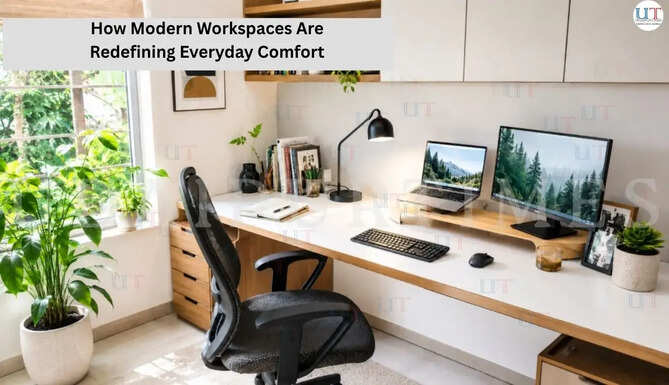
UdaipurTimes, 19 September 2026 | Lifestyle: Work has changed more in the last few years than in the two decades before it. Hybrid schedules, longer screen hours, blurred lines between office and home, all of it has pushed comfort toward the front of conversations that used to focus purely on output. Employers who once measured productivity in hours logged are now paying closer attention to whether those hours are even sustainable.
That shift shows up in how offices get refitted. Companies that once bought furniture in bulk without much thought now ask employees directly what actually helps them get through a full day without discomfort. The reasoning underneath it is simple. Someone who isn't distracted by a stiff neck or an aching lower back produces steadier work across a week, not just during one good morning.
HR teams have started noticing this in exit interviews and internal surveys, where desk discomfort quietly ranks among the more common frustrations people mention when asked what would improve their day. It never tops the list the way pay does. But it comes up often enough now that dismissing it as minor doesn't really hold anymore.
Some of this can be traced back to how much longer people are sitting at a single stretch. A commute used to force at least two short walks into a day. Remote and hybrid work has quietly removed that, and a lot of professionals are only now realising how much incidental movement they lost along with it.
The Workplace Habits That Often Lead to Poor Posture and Fatigue
Most posture problems don't arrive in one dramatic moment. They build from small habits repeated hundreds of times a day: leaning toward a monitor set too low, resting on one elbow while typing, sitting for hours in a chair with no real back support. The body compensates quietly at first. Then it sends clearer signals, stiffness, headaches, a dull ache that shows up like clockwork by mid afternoon.
Long, uninterrupted sitting makes all of this worse. Even a good chair can't fully offset eight motionless hours, though a bad one speeds up the damage considerably. Most people only realise how much their old setup was working against them once they switch to something with proper support. That's usually the moment the difference by end of day becomes impossible to ignore.
Why Flexible Workspace Design Is Replacing Traditional Office Setups
Identical desks and chairs across an entire floor used to be standard, mostly because it was simple to order at scale. That's fading fast, as companies recognise people differ in height, build, and how they actually work. A chair set right for one employee can be entirely wrong for the next, and a one size fits all policy ends up serving almost nobody particularly well.
Adjustability has become the baseline now, not a bonus reserved for senior staff. Seat height, armrests, backrest tilt, all of it needs to move to fit the person, not the other way round. Desks have followed the same pattern, with more offices offering sit stand options so people can shift posture through the day instead of staying locked into one position for hours.
Open plan layouts complicate this a little. Private offices once allowed individual adjustment without much thought, but shared floors need furniture that resets quickly between users, without tools or a manual. That's pushed manufacturers toward simpler mechanisms, ones a new hire can figure out within a minute of sitting down.
The Smart Office Essentials That Support Better Posture and Productivity
Two pieces of furniture carry most of the weight here, the desk and the chair. Get either one wrong and it undermines whatever you got right on the other. A desk at the correct height keeps wrists neutral and shoulders relaxed. A chair with proper lumbar support keeps the spine in a position that doesn't strain over long stretches of typing.
For offices refitting a space, it makes sense to look at the office furniture online options together rather than shopping separately, since matched sets are usually designed with compatible heights from the start. Seat depth matters as much as backrest support does. A chair too deep for a shorter person forces awkward posture regardless of how well padded it is, and this kind of detail rarely shows up until the third or fourth week of actually sitting in it.
Material choice deserves a mention too, since it gets decided almost entirely on appearance in most offices. Mesh backs breathe far better than solid upholstery through long humid summers, which matters more in a lot of Indian offices than manufacturers' spec sheets tend to suggest.
Creating a Workspace That Keeps You Comfortable Throughout the Day
Comfort across a full day depends on more than the chair alone, though the chair is still the biggest factor by far. Ergonomic office chairs come with adjustable lumbar support, breathable mesh backs, and armrests that move to match arm length and desk height. The improvement is rarely dramatic on day one. It shows up gradually, in fewer aches by Friday and less stiffness getting up from the desk
Monitor height plays a supporting role. Screens set too low force the neck into a forward tilt that adds up hour by hour, while eye level screens keep the head neutral. Small extras like a footrest for shorter users round things out without needing a full redesign.
Breaks matter just as much as any piece of furniture does. Standing briefly every hour, or just shifting position between tasks, keeps circulation steady and prevents the stiffness that builds from sitting still too long, no matter how good the chair underneath actually is.
Building a Healthier and More Productive Way to Work
The renewed focus on ergonomic seating isn't a passing design trend. It reflects a more practical understanding that comfort and output are connected, and that they can't really be separated across a career spent mostly seated. Companies that invest properly here tend to see the payoff not in one dramatic improvement but in steadier energy and fewer complaints about back and neck strain across a team.
For individual professionals, the same logic scales down. A well chosen chair and a desk set at the right height aren't indulgences. They're tools that decide how a person actually feels by the end of each working day. As hybrid arrangements keep blurring the line between home and office, that attention to seating is only going to matter more.
Worth remembering too that this isn't a buy it once and forget it decision. Bodies change, roles change, and a chair that fit perfectly two years ago might not fit how someone works today. Reviewing the setup occasionally, instead of treating the original purchase as permanent, keeps comfort from quietly slipping without anyone noticing.
None of this requires an expert consultation to get started. Sit in the chair for a full week, pay attention to where the aches show up by Thursday afternoon, and adjust from there.
Small tweaks usually beat a full replacement anyway. Raising a seat an inch, adding a lumbar cushion, or shifting a monitor closer often fixes more than an entirely new setup would.
Disclaimer: This Post is not written or produced by UdaipurTimes writers/journalists. UdaipurTimes follows ASCI guidelines for Online Advertising. The information may involve financial or health risk and UdaipurTimes does not endorse or promote any claims made in this post.
