

ICC Introduces Return-to-Play Post-Pregnancy Guidelines for Women Cricketers
The ICC has launched its Return-to-Play Post-Pregnancy Guidelines for women cricketers, providing a structured six-stage framework to help players safely return to competitive cricket after childbirth while balancing motherhood and professional sport.
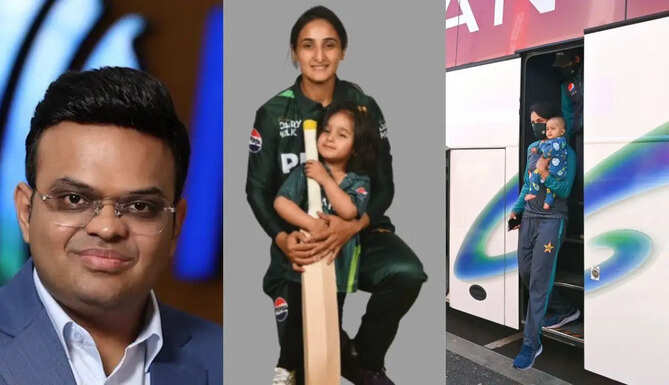
June 23, 2026: The International Cricket Council (ICC) has introduced new "Return-to-Play Post-Pregnancy Guidelines" to help female cricketers safely return to the sport after childbirth. The guidelines provide a structured framework for players, coaches, medical staff, and cricket boards to support women throughout their recovery and return to competitive cricket.
The move comes as women's cricket continues to grow professionally around the world. With longer careers and increased opportunities in the sport, more players are choosing to start families while still competing at the highest level. The ICC's new framework aims to ensure that motherhood does not become a barrier to continuing a professional cricket career.
The guidelines are based on a six-stage model known as the "6 Rs" — Ready, Review, Restore, Recondition, Return, and Refine. The process covers every stage of recovery, including medical assessments, wellbeing reviews, gradual training, cricket-specific conditioning, return to match play, and continued monitoring after a player rejoins the team environment.
According to the ICC, the approach is designed to support players during the first 16 weeks after childbirth, helping them progress safely from recovery to full participation in cricket.
🚨 ICC LAUNCHES RETURN TO PLAY POST-PREGNANCY GUIDELINES FOR FEMALE CRICKETERS 🚨
— Johns. (@CricCrazyJohns) June 22, 2026
ICC Chairman Jay Shah, said "The continued growth of women's cricket must be built on opportunity, inclusion and care for our players at every stage of their lives and careers. No player should… pic.twitter.com/mjObGNfWXu
What Do the New Guidelines Include?
One of the key recommendations is the appointment of a dedicated case manager, who should be either a doctor or a physiotherapist. The case manager will oversee the player's recovery process and coordinate support from medical experts and cricket staff.
The guidelines place a strong focus on both physical and mental wellbeing. During the early stages, players will undergo medical reviews and receive psychological support as they adjust to life as new mothers. This will be followed by a gradual return to strength training and conditioning.
After approximately eight weeks, players may begin a monitored return to running and cricket-related activities in consultation with medical professionals. Before being cleared to return to competition, they will be assessed for any ongoing symptoms, including musculoskeletal concerns and pelvic floor health issues.
The ICC has also clarified that there is no fixed timeline for when a player must stop playing during pregnancy or when she can return after giving birth. Every decision should be based on individual medical advice and the player's health condition.
While the governing body recommends that players stop competing by the end of the first trimester, it has not made this mandatory. Factors such as injury risk, travel demands, weather conditions, and access to healthcare should all be considered before making any decision.
The guidelines also encourage players to work closely with doctors and women's health specialists throughout pregnancy to ensure the safety of both mother and baby.
Jay Shah and Afy Fletcher Welcome the Initiative
ICC Chairman Jay Shah described the new guidelines as a major step forward for women's cricket. He stressed that no player should have to choose between motherhood and representing her country.
"The continued growth of women's cricket must be built on opportunity, inclusion and care for players at every stage of their lives and careers. No player should have to choose between motherhood and representing her country at the highest level," Shah said.
He added that the guidelines would help cricket boards create a safer and more supportive environment while protecting player welfare and encouraging long-term participation in the sport.
The framework was drafted under the leadership of Dr. Philippa Inge, a member of the ICC Medical Advisory Committee and Team Doctor for Australia. The recommendations also include childcare support, baby-feeding spaces at venues, flexible training arrangements, access to facilities, and travel assistance wherever possible.
West Indies spinner Afy Fletcher, who returned to international cricket after giving birth to her son in 2021, also welcomed the initiative. Fletcher believes the new guidelines will give more female cricketers the confidence to start families without worrying about the future of their careers.
"I think it's really good that the ICC is giving cricket boards policies to look after women after pregnancy. It gives you a chance to have your family and then return, so I think that's one of the best things they could have done for women's cricket," Fletcher said.
Reflecting on her own experience, she admitted that returning to cricket was emotionally challenging. While physical recovery was difficult, she found it hard to spend time away from her child. However, she said strong support and patience helped her complete the journey back to international cricket.
The ICC believes the new guidelines will help member nations build their own policies and create a more supportive environment for female athletes. As women's cricket continues to expand globally, the initiative is expected to play an important role in improving player welfare and ensuring that motherhood and professional sport can successfully go hand in hand.
