

Strait of Hormuz Crisis Returns: Will LPG, Petrol and Daily Essential Prices Rise in India Again?
Fresh tensions in the Strait of Hormuz have once again raised fears of disruptions to global oil supplies. While the conflict has pushed crude oil prices higher, India has diversified its crude imports over the past few months to reduce dependence on Gulf nations. Here's how the latest Middle East crisis could affect fuel prices, LPG costs and household expenses in India.

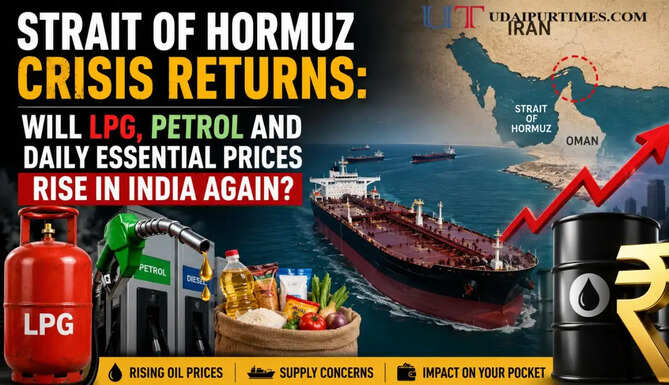
July 14, 2026: The signing of the recent peace agreement had raised hopes that shipping through the Strait of Hormuz—often referred to as the world's "oil artery"—would return to normal. For a brief period, maritime trade resumed without major disruptions. However, renewed tensions in the region have once again cast a shadow over global energy supplies.
As the conflict escalates, shipping activity through the strategically important Strait of Hormuz has slowed significantly, reviving concerns about global oil supplies. This has also sparked fears in India over whether the prices of cooking gas, petrol, diesel, and other essential commodities could rise once again.
Despite these concerns, experts believe that the current situation is different from the energy crisis witnessed earlier this year. Over the past three months, India has taken several steps to strengthen its energy security and reduce its dependence on a limited number of suppliers.
🚨 US Oil Surging to Japan After Iran’s Hormuz Miscalculation
— And We Know©🇺🇸 (@andweknow) July 13, 2026
Oil is flowing strong to Japan with hundreds of thousands of gallons recently surging to the region.
Iran’s chaos in the Strait of Hormuz was a severe miscalculation! Japan buying more American oil is a huge win.… pic.twitter.com/Uxy4E8Ych1
India Better Prepared to Handle Fresh Supply Disruptions
During the last 90 days, India has diversified its crude oil import sources by increasing purchases from the spot market while reducing its reliance on long-term contracts with Gulf nations. This strategy has helped the country build greater flexibility in securing crude oil supplies.
As a result, India is now considered to be in a stronger position than it was a few months ago to deal with any disruption in global energy supply chains. The Centre has also continued efforts to further strengthen the country's energy security through diversified sourcing and strategic planning.
Earlier, the Iran-US conflict had triggered a sharp rise in global crude oil prices, which also affected the Indian market. Although the Central Government kept fuel prices under control ahead of the elections, public sector oil marketing companies reportedly incurred significant losses during that period.
Subsequently, under pressure from oil companies, the government allowed phased increases in petrol and diesel prices. Rising fuel costs not only increase transportation expenses but also lead to higher prices of essential goods and services. Over the past few months, consumers have already witnessed an increase in the prices of several daily-use commodities due to higher transportation costs.
However, analysts believe that India's improved import strategy has helped New Delhi manage the latest crisis more effectively, reducing the immediate risk of a major spike in domestic fuel prices.
Middle East Conflict Escalates Once Again
The latest escalation follows fresh hostilities in the Middle East after Iran reportedly attacked an Indian naval vessel near the Strait of Hormuz, further intensifying regional tensions.
On Sunday, the United States launched a series of drone and missile strikes targeting nearly 140 locations across Iran, including Qeshm, Sirik, Bandar Abbas, Jask, and Bushehr. In response, Iran reportedly carried out retaliatory attacks at multiple locations across the Middle East, pushing the conflict into a new and more dangerous phase.
With military tensions once again threatening one of the world's busiest oil transit routes, global markets remain on alert. Although India appears better prepared to withstand temporary supply disruptions, any prolonged conflict in the Strait of Hormuz could still influence international crude oil prices and, in turn, impact fuel costs and the prices of essential commodities in the months ahead.
