

Best Phones Under Rs 40,000: 5 Smartphones That Deliver Near-Flagship Performance
Five powerful smartphones under Rs 40,000 offering near-flagship performance, gaming capabilities, powerful processors and long battery life.

September 16, 2026: There are plenty of options available when buying a smartphone under Rs 40,000, but choosing the right one has become more difficult than ever. Rising prices of memory and storage components have pushed up the cost of many smartphones in this segment. As a result, buyers now need to consider several factors before choosing a phone that truly offers value for money.
Despite the price increases, a few smartphones still deliver near-flagship performance under Rs 40,000. For users who prioritise gaming, multitasking and long-term heavy use, models from Poco, Redmi, Oppo, OnePlus and Motorola stand out.
If performance is your top priority, the Poco F7, Oppo K13 Turbo Pro, Redmi Turbo 5, Motorola Edge 70 Pro and Poco X8 Pro are some of the options worth considering. Throughout this article, we will take a look at five smartphones under Rs 40,000 that offer strong performance, making them worth considering for buyers looking for value for money.
1. Poco F7
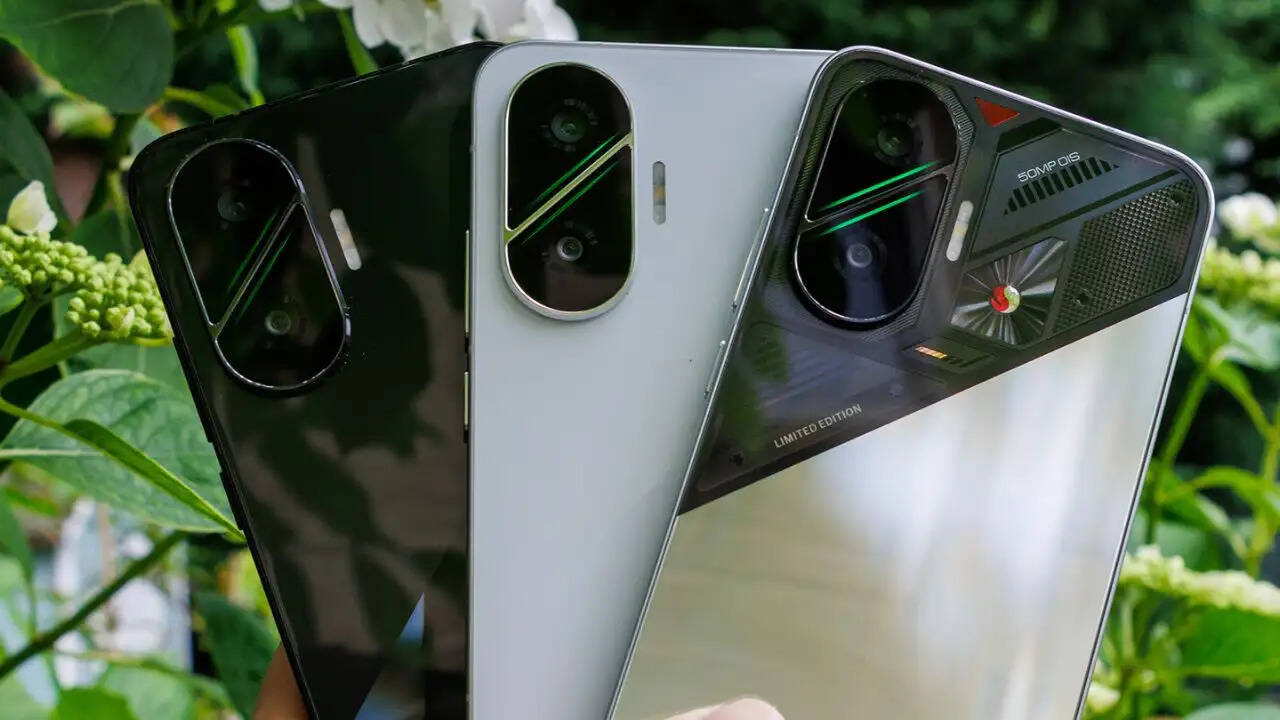
The Poco F7 is still one of the most attractive options for raw performance under Rs 40,000. The phone features a Qualcomm Snapdragon 8s Gen 4 chipset, up to 12GB of LPDDR5X RAM, and up to 512GB of UFS 4.1 storage.
There is a 6,000 sq mm vapour chamber to control heat during gaming and heavy usage. It is part of Poco's 3D IceLoop cooling system. The phone runs on Android 16-based HyperOS 3.
Up front, there is a 6.83-inch 1.5K AMOLED display with a 120Hz refresh rate. In terms of cameras, the phone has a 50-megapixel Sony IMX882 main camera, an 8-megapixel ultrawide camera, and a 20-megapixel selfie camera. One of its biggest attractions is the 7,550mAh battery, which supports 90W wired fast charging.
Poco F7: Key Specifications
- Display: 6.83-inch 1.5K AMOLED, 120Hz
- Processor: Qualcomm Snapdragon 8s Gen 4
- RAM and Storage: 12GB LPDDR5X, 256GB/512GB UFS 4.1
- Camera: 50MP Sony IMX882 + 8MP ultrawide, 20MP front
- Battery: 7,550mAh
- Charging: 90W
Price:
- 12GB + 256GB: Rs 35,999
- 12GB + 512GB: Rs 37,999
2. Oppo K13 Turbo Pro

The Oppo K13 Turbo Pro takes the concept of a performance-centric phone a step further. One of its biggest attractions is the built-in cooling fan inside the phone. It is powered by a Snapdragon 8s Gen 4 chipset, up to 12GB of LPDDR5X RAM, and 256GB of UFS 4.0 storage. It also features a 7,000 sq mm vapour chamber with an active cooling system. The phone runs on Android 16-based ColorOS 16.
The display of the Oppo K13 Turbo Pro offers a 6.8-inch 1.5K AMOLED panel with a 120Hz refresh rate. There is a 50-megapixel + 2-megapixel dual-camera setup on the back and a 16-megapixel front camera. The phone packs a 7,000mAh battery with support for 80W wired fast charging.
Price:
- 8GB + 256GB: Rs 34,999
- 12GB + 256GB: Rs 36,999
3. Redmi Turbo 5

The Redmi Turbo 5 is also a notable option in terms of performance under Rs 40,000. It is powered by a MediaTek Dimensity 8500 Ultra chipset and comes with LPDDR5X Ultra RAM and UFS 4.1 storage. There is a 5,300 sq mm 3D IceLoop cooling system for thermal management. The phone runs on Android 16-based HyperOS 3.
On the front, the phone has a 6.59-inch 1.5K AMOLED display with a 120Hz refresh rate. The camera setup includes a 50-megapixel Sony IMX882 main camera, an 8-megapixel ultrawide camera, and a 20-megapixel selfie camera. The phone packs a 7,540mAh battery with support for 100W wired fast charging.
Price:
The 8GB + 256GB model of the Redmi Turbo 5 is priced at Rs 37,999. The 12GB + 256GB model is priced at Rs 40,999, which is above the Rs 40,000 budget.
4. Motorola Edge 70 Pro
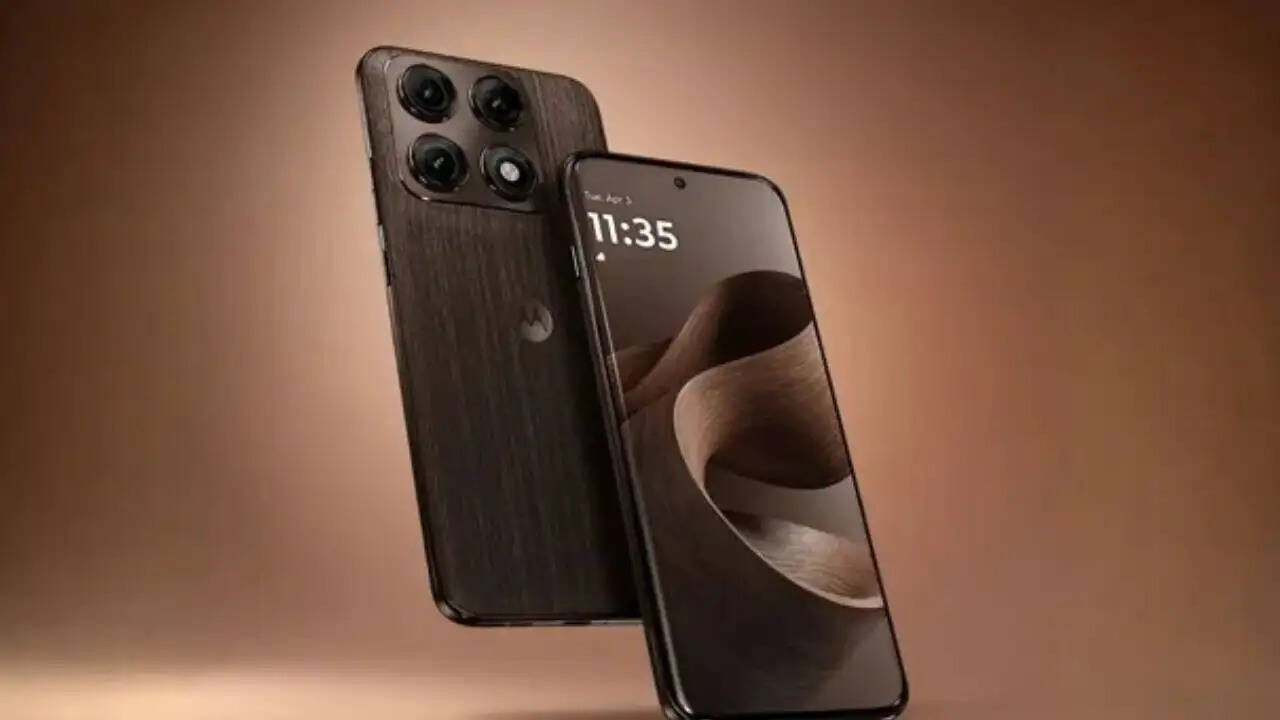
If performance and premium design are important to you, you can consider the Motorola Edge 70 Pro. The phone is powered by a MediaTek Dimensity 8500 Extreme chipset and comes with up to 12GB of LPDDR5X RAM and 256GB of UFS 4.1 storage. Along with vapour-chamber cooling, the phone runs on Android 16-based Hello UI.
The phone features a 6.8-inch Extreme AMOLED display with a refresh rate of up to 144Hz. It has a resolution of 1,272 × 2,772 pixels. The camera setup includes a 50-megapixel Sony LYT-710 main camera and a 50-megapixel ultrawide camera. There is also a 50-megapixel selfie camera on the front. The phone packs a 6,500mAh battery with support for 90W wired fast charging.
Price:
8GB + 256GB: Rs 39,999
12GB + 256GB: Rs 42,999
5. Poco X8 Pro

Performance has also been given special importance in the Poco X8 Pro. The phone is powered by the MediaTek Dimensity 8500 Ultra chipset, just like the Redmi Turbo 5. It features a 5,300 sq mm vapour chamber along with an 11,000 sq mm graphite layer for better heat management. This additional hardware helps control heat during gaming and heavy usage.
Running on Android 16-based HyperOS 3, the phone features a 6.59-inch 1.5K AMOLED display with a 120Hz refresh rate, Dolby Vision, and HDR10+ support. The camera setup includes a 50-megapixel main camera, an 8-megapixel ultrawide camera, and a 20-megapixel front camera. The phone packs a 6,500mAh battery with support for 100W wired charging and 27W wired reverse charging.
Price:
8GB + 256GB: Around Rs 39,999
12GB + 256GB: Rs 42,999
Which phone is the best under Rs 40,000?
If your main goal is maximum performance and a large battery, then the Poco F7 is one of the strongest options. Starting at Rs 35,999, its combination of 12 GB RAM and Snapdragon 8S Gen 4 is quite attractive. On the other hand, if you want the benefits of active cooling while gaming, the Oppo K13 Turbo Pro will stand out. Its price also starts at Rs 34,999.
If you want a large battery and a Dimensity 8500 Ultra chipset, you can consider the Redmi Turbo 5 and Poco X8 Pro. And if you value premium design and 144 Hz display along with performance, the Motorola Edge 70 Pro is an attractive option.
In other words, in a budget of Rs 40,000, it is no longer enough to just look at the name of the processor. It is possible to choose the most suitable phone by considering all these factors together.
