

Blemishes, Redness and Skin Texture Need Different Kinds of Editing

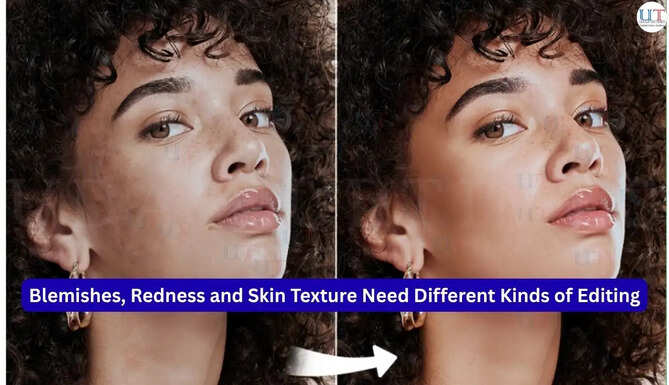
UdaipurTimes, September 22, 2026 | Technology Updates AI: Several skin concerns can appear in the same portrait and look like one problem at first glance. A blemish may sit inside a red area, while the surrounding skin has its own normal texture. Treating all three with the same smoothing step can solve one issue while creating another.
When you remove blemishes from photos , separating shape, color, and texture into different tasks makes the correction easier to control.
A blemish is primarily a local shape problem
Raised or sharply defined spots interrupt the small contours of the skin. Their edges, highlights, and shadows make them stand out even when their color is not especially strong.
That makes them suitable for targeted correction. The task is limited to one defined area rather than an entire cheek or forehead.
Redness is a color problem
Redness can spread well beyond the blemish itself. It may cover several centimeters of skin while leaving the underlying surface detail perfectly normal.
If that whole zone is blurred to reduce the red tone, useful texture disappears for no reason. Color can instead be balanced while the existing surface remains visible.
A useful clue is whether the area changes when the light changes. Redness may fade or intensify with lighting, while pores and fine texture remain part of the skin surface. That difference helps avoid treating normal detail as something that should be removed. It also gives the editor a clearer boundary between a temporary color issue and the permanent surface characteristics that make the skin look natural.
Texture belongs to the background layer of the skin
Pores, tiny variations, and fine surface detail should not be mistaken for blemishes simply because they are visible. They provide continuity between corrected and untouched areas.
That gives the three problems a useful order:
- correct the defined blemish;
- reassess whether redness still needs balancing;
- preserve the surrounding texture unless it is itself the intended target.
Each stage solves a different visual issue. Finishing one before moving to the next also makes it easier to see whether another correction is actually necessary.
One tool should not solve three unrelated problems
Over-editing often begins when a broad technique is used because several issues happen to occupy the same area. A smoothing pass can make a bump, redness, and texture all less visible at once, but that convenience comes at the cost of precision.
Separating them takes more judgment but creates a clearer stopping point. Once the blemish is gone and the color is balanced, there may be no reason to change the remaining texture.
Layered correction keeps the skin readable
The advantage of treating shape, color, and texture separately is not complexity for its own sake. It is control.
Each correction can be as strong as its own problem requires, while the parts of the skin that are already working remain untouched. That keeps a local cleanup from gradually turning into full-surface smoothing.
Disclaimer: This Post is not written or produced by UdaipurTimes writers/journalists. UdaipurTimes follows ASCI guidelines for Online Advertising. The information may involve financial or health risk and UdaipurTimes does not endorse or promote any claims made in this post.
