

Hyundai Bayon Automatic: Key Features, Engine and India Launch Details
The Hyundai Bayon Automatic is expected to offer a 1.5-litre petrol engine, an IVT gearbox, twin 12.3-inch screens and advanced safety technology. Here is a look at its key features, booking details and expected India launch.

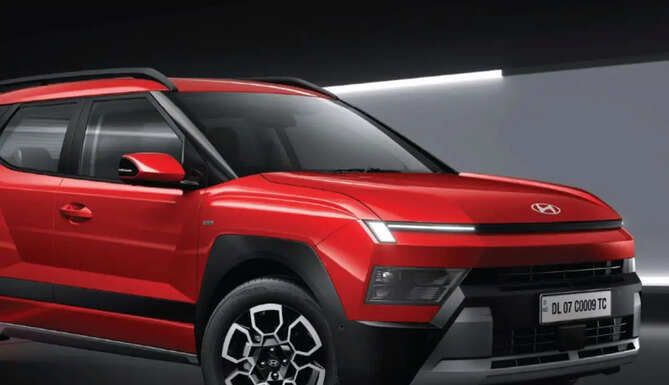
October 24, 2026: Ahead of the launch of the new Hyundai Bayon in India, Hyundai has revealed key features of the SUV's automatic version. The IVT automatic transmission comes with a new Dash Boost Mode, paddle shifters and three driving modes. The company claims that Dash Boost Mode will provide a quicker acceleration response during overtaking. The car is scheduled to launch in India on October 26, and bookings have already opened for ₹11,000.
What Will Dash Boost Mode Do?
Hyundai Bayon's new Dash Boost Mode is designed to provide a quicker acceleration response when needed. This feature could be especially useful when overtaking another vehicle. Hyundai describes the system as an 'instant power boost'. However, the company has not yet explained how the technology changes the engine or transmission response.
The automatic version also features Sporty Drive Tech, which aims to provide a more direct and sporty acceleration experience. However, Hyundai has not shared detailed information about how this technology works, either.
Paddle Shifters and Three Driving Modes
The IVT automatic version of the Bayon will feature paddle shifters behind the steering wheel. These will allow drivers to control the transmission response without taking their hands off the steering wheel.
The car will offer three driving modes:
-
Eco: Prioritises fuel efficiency.
-
Normal: Balances performance and fuel efficiency for everyday driving.
-
Sport: Focuses on quicker responses and a sportier driving experience.
Drivers can switch between these modes using the Drive Mode button on the steering wheel.
1.5-Litre Petrol Engine Produces 115 hp
The Hyundai Bayon is powered by a 1.5-litre, four-cylinder MPi petrol engine that produces 115 hp and 143.8 Nm of torque. Buyers can choose between a six-speed manual gearbox and an IVT automatic transmission.
Hyundai claims that more than six lakh cars equipped with this engine have been sold in India since 2020. The same engine is currently used in the Hyundai Creta, giving the Bayon a familiar powertrain setup.
Two 12.3-Inch Screens and Bose Audio System
The Bayon's cabin features two 12.3-inch screens arranged in a curved layout. Other highlights include a panoramic sunroof, an electrically adjustable driver's seat and a Bose audio system. Hyundai aims to give the SUV a premium feel through its modern design and technology-focused cabin.
The car is built on the Global K Enhanced Platform. Hyundai says it has been engineered with the safety needs of the Indian market in mind. However, its rating in a specific safety test will need to be confirmed separately.
More Than 35 Standard Safety Features
Hyundai says all Bayon variants will come with more than 35 standard safety features. These include six airbags, Electronic Stability Control (ESC), Hill-Start Assist Control (HAC) and a Tyre Pressure Monitoring System (TPMS).
Higher variants will also offer Hyundai SmartSense Level 2 Pro ADAS, which is said to include 23 functions. However, the availability of individual ADAS features will need to be checked against the final variant list.
Launch on October 26, Bookings Open for ₹11,000
The Hyundai Bayon is scheduled to launch in India on October 26. Interested buyers can book the SUV for ₹11,000. The final prices, variant-wise features and delivery schedule have not yet been announced.
Features such as Dash Boost Mode, paddle shifters, multiple driving modes and Level 2 Pro ADAS could help the Bayon stand out in India's competitive SUV market. Its final pricing, real-world fuel efficiency and the availability of features across variants will play an important role in determining its appeal to buyers.
