

New PUC Certificate Rules 2026: Check How Validity Changes for BS-I to BS-VI Vehicles
The central government has changed PUC certificate validity rules under the Central Motor Vehicles (Sixteenth Amendment) Rules, 2026. The new system considers a vehicle's BS emission standard, age and private or commercial category. Check the revised validity periods for BS-I to BS-VI vehicles and find out when you need to renew your certificate.

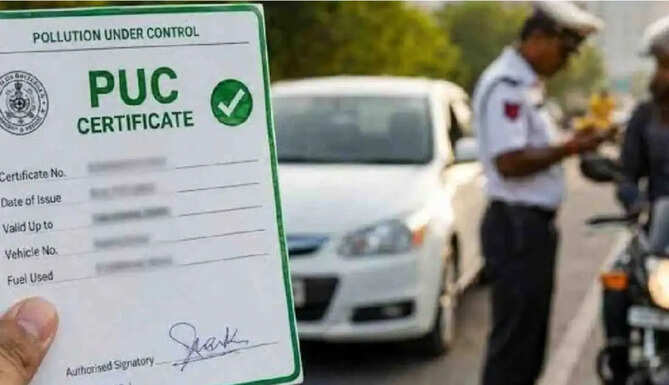
November 20, 2026: The central government has made a major change to the validity of the Pollution Under Control (PUC) certificate. Under the new rules, the validity period will depend on the vehicle's Bharat Stage (BS) emission standard, age and whether it is privately or commercially registered. According to a new notification issued by the Union Ministry of Road Transport and Highways, different validity periods have been fixed for vehicles ranging from BS-I to BS-VI.
The new rules have come into effect under the Central Motor Vehicles (Sixteenth Amendment) Rules, 2026. Through this amendment, Rule 115(7) of the Central Motor Vehicles Rules, 1989, has been revised. The amended rules have come into effect from the date of their publication in the Official Gazette.
Until now, the validity of a PUC certificate was mainly determined by the vehicle's BS emission standard. As a result, the same validity period could apply to a new BS-VI private vehicle and an older BS-VI commercial vehicle. The new system changes this approach by considering the vehicle's age and category as well.
Three-Year PUC Validity for New BS-VI Private Vehicles
The biggest benefit under the new rules is for BS-VI private vehicles that are up to six years old. The validity of their PUC certificates has been increased from one year to three years. This means owners of newer BS-VI private vehicles will not need to undergo pollution testing every year.
However, the validity period changes as the vehicle gets older. For BS-VI private vehicles that are more than six years old but up to 10 years old, the PUC certificate will be valid for one year. For vehicles older than 10 years, the certificate will need to be renewed every six months after a pollution test.
Different PUC Validity Rules for BS-VI Commercial Vehicles
The new rules set a different validity period for BS-VI commercial vehicles. For commercial vehicles that are up to six years old, the PUC certificate will be valid for two years.
For BS-VI commercial vehicles that are more than six years old but up to 10 years old, the certificate will be valid for one year. Owners of commercial vehicles older than 10 years will need to get a pollution test every six months to renew their certificates.
Three-Month Validity for BS-I, BS-II and BS-III Vehicles
The renewal period for vehicles with older emission standards has also been reduced. Under the new rules, PUC certificates for BS-I, BS-II and BS-III vehicles will be valid for only three months. This rule will apply regardless of whether the vehicle is privately or commercially registered or how old it is.
Earlier, PUC certificates for these vehicles were generally valid for six months under the central rules. However, stricter requirements were already in place in some states. For example, in Delhi, BS-I to BS-III vehicles were required to undergo pollution testing every three months.
Six-Month PUC Validity for BS-IV Vehicles
The validity period for BS-IV vehicles has also been reduced. Under the new amendment, their PUC certificates will be valid for six months across the country.
Earlier, the central rules allowed a validity period of 12 months for BS-IV vehicles. However, a six-month requirement was already in place in some parts of the National Capital Region and certain states. The new amendment brings the six-month validity period into effect across the country.
What Happens If You Renew Your PUC Certificate Before It Expires?
The new rules also clarify how the validity of a renewed PUC certificate will be calculated. If a vehicle undergoes a new pollution test within the 10 days before its existing certificate expires, the validity of the new certificate will begin from the expiry date of the previous certificate.
However, if the test is conducted on or after the expiry date, the validity of the new certificate will begin from the date of the test. This means vehicle owners will not receive any additional validity for the period between the expiry of the old certificate and the date of the new test.
Do You Need to Replace Your Existing PUC Certificate?
PUC certificates issued before the new rules came into effect will remain valid until their existing expiry dates. Therefore, vehicle owners do not need to undergo a fresh pollution test or obtain a new certificate immediately.
Once the current certificate expires, the validity period will be determined according to the new rules at the time of renewal. Vehicle owners should therefore check the applicable PUC renewal schedule based on their vehicle's BS emission standard, age and registration category.
