

Ray-Ban Meta Gen 3 vs Gen 1: 5 Major Upgrades You Should Know Before Buying
Meta's Ray-Ban Meta Gen 3 brings major improvements over the first-generation smart glasses, including 3K video recording, longer battery life, six microphones and updated controls. Compare their features, prices in India and key differences to find out whether upgrading is worth the money.

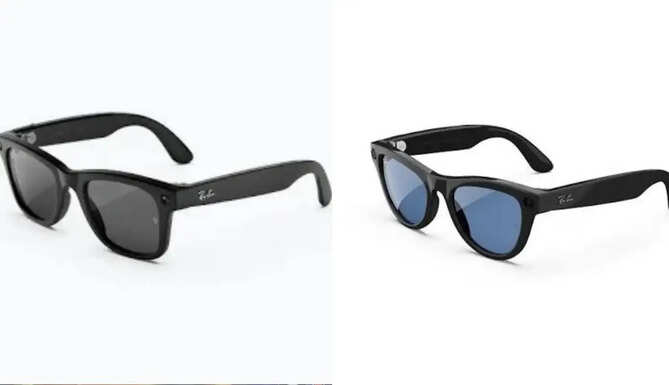
November 08, 2026: Meta has introduced a new generation of smart glasses, the Ray-Ban Meta Gen 3. Compared with the first-generation model, the new version brings several improvements to video recording, battery life, microphones and controls. The Gen 3 features a 12-megapixel camera, 3K Ultra HD video recording, six microphones and a maximum battery life of nine hours.
On the other hand, the first-generation Ray-Ban Meta, which debuted in September 2023, featured a 12-megapixel camera, 1080p video recording and a maximum battery life of four hours. Although the basic camera and audio technology remain similar, Meta has focused on improving the everyday user experience with the Gen 3.
Ray-Ban Meta Gen 3 vs Gen 1: Specifications Comparison
| Features | Ray-Ban Meta Gen 3 | Ray-Ban Meta Gen 1 |
|---|---|---|
| Launch | September 2026 | September 2023 |
| Camera | 12MP Ultra-Wide | 12MP Ultra-Wide |
| Image Resolution | 3024 × 4032 pixels | 3024 × 4032 pixels |
| Video Recording | 3K at 30fps | Up to 1080p |
| Microphones | 6 | 5 |
| Speakers | Dual Open-Ear | Dual Open-Ear |
| Battery Life | Up to 9 hours | Up to 4 hours |
| Additional Battery from Charging Case | Up to 50 hours | Up to 32 hours |
| Storage | 32GB | 32GB |
| Bluetooth | 5.3 | 5.2 |
| Wi-Fi | Wi-Fi 6 | Wi-Fi 6 |
| Water Resistance | IPX4 | IPX4 |
| Frame Styles | Wayfarer, Aviator, Zena | Wayfarer, Headliner, Skyler |
| Action Buttons | Customisable | No separate customisable action button |
| Frame Adjustments | Professionally adjustable temple tips | Standard design |
| Launch Price in India | ₹44,300 | ₹29,900 |
Note: Battery life figures are the maximum estimates provided by the manufacturer. Actual performance may vary depending on usage, settings and video recording time. The Gen 1 price of ₹29,900 refers to its price in India in May 2025, not its international launch price in 2023.
Design Changes and More Frame Options
At first glance, it is difficult to distinguish the Gen 3 from the first-generation model. Meta has continued its approach of keeping smart technology within the familiar appearance of everyday Ray-Ban glasses.
However, the Gen 3 frame is narrower than before. The space occupied by the camera and LED indicator has also been reduced. According to the company, this section is 36% smaller than it was on the Gen 2.
The new model also offers improved fitting options. Its temple tips can be professionally adjusted to suit the user's face shape. This allows users to get a more comfortable and personalised fit.
There are also more design options. The Gen 3 is available in Wayfarer, Aviator and Zena styles, with a total of 27 colour and lens combinations. In comparison, the Gen 1 was available in Wayfarer, Headliner and Skyler styles.
Major Camera Upgrade: 3K Video Recording
Both generations feature a 12-megapixel ultra-wide camera. The image resolution is also the same at 3024 × 4032 pixels.
However, the difference becomes clear when it comes to video recording. The first-generation model supports video recording at up to 1080p, while the Gen 3 can record 3K Ultra HD videos at 30fps. This allows users to capture more detail in point-of-view (POV) videos during travel, outdoor activities and everyday moments.
The new model also introduces the Dynamic Photos feature. It allows users to select their favourite image from multiple frames captured during a moment.
Meta has also announced plans to introduce Dolby Atmos video capture and 360-degree spatial audio to its AI glasses by the end of 2026. These features are expected to arrive through a future software update. Therefore, users should not assume that all these capabilities will be available from the time of launch.
Major Improvement in Battery Life
One of the most important upgrades in the Gen 3 is its battery life. The first-generation Ray-Ban Meta offered a maximum battery life of four hours under moderate usage. The new model increases this figure to up to nine hours.
The charging case has also received an upgrade. The Gen 1 charging case provided up to 32 additional hours of battery life, while the Gen 3 case offers up to 50 additional hours.
This improvement could benefit users who regularly listen to music, make phone calls, record videos and use Meta AI throughout the day. However, nine hours is the manufacturer's maximum estimate. Users may not get the same battery life during continuous video recording or extended AI usage.
What Has Changed in Audio and Microphones?
Both models feature dual open-ear speakers. This design allows users to listen to music or make phone calls while remaining aware of the sounds around them.
The main difference is the number of microphones. The first-generation model has five microphones, while the Gen 3 features a six-microphone array. Meta claims that the upgraded system can reduce unwanted background noise by more than 90%.
This improvement could be particularly useful when making calls on busy streets, speaking in windy conditions or using voice commands. However, users who mainly use the glasses for listening to music may find the camera and battery upgrades more significant.
New Features in Meta AI and Controls
Both generations support Meta AI. However, the availability of specific features depends on the software version, user's location and supported language.
The Gen 3 also introduces customisable action buttons. Users can set these buttons to quickly launch Meta AI or access another preferred feature. In comparison, the Gen 1 relies on its capture button, touchpad and voice commands for controls.
Meta continues to introduce AI features through regular software updates. Some of these features may also become available on older supported models. Therefore, while the Gen 3 offers more hardware improvements, software-based benefits may extend to both generations.
How Much Does Ray-Ban Meta Gen 3 Cost in India?
The Ray-Ban Meta Gen 3 was launched in India in October 2026 at a starting price of ₹44,300. It is available through Meta, Ray-Ban's Indian website and authorised retailers. The final price may vary depending on the frame and lens options.
The first-generation Ray-Ban Meta arrived in India in May 2025, with a starting price of ₹29,900. This means the difference between the two models' Indian prices is ₹14,400. However, buyers should also consider the hardware and software improvements before deciding which model offers better value.
Is It Necessary to Upgrade from Gen 1 to Gen 3?
If you already use the first-generation Ray-Ban Meta and mainly rely on it for taking pictures, listening to music and making occasional phone calls, an immediate upgrade may not be necessary. The Gen 1 still offers a 12-megapixel camera, open-ear speakers, 32GB of storage and Meta AI support.
However, the Gen 3 could be a better option for users who regularly record POV videos, make phone calls outdoors or use smart glasses for extended periods. The upgrade from 1080p to 3K video recording, the increase in battery life from four to nine hours and the improved microphone system address some of the main limitations of the older model.
There is another factor to consider. The Ray-Ban Meta Gen 2 sits between these two generations. It already offered 3K video recording and up to eight hours of battery life. Therefore, the difference between Gen 1 and Gen 3 is significant, while the improvements from Gen 2 to Gen 3 are relatively smaller.
Overall, the Ray-Ban Meta Gen 3 is an improved smart glasses model compared with the first generation. However, for existing Gen 1 users, the decision to upgrade will depend on how much they value better video quality, longer battery life, improved microphones and the latest features.
