

Sony LYTIA 720 50MP Sensor Unveiled With 50% Less Noise and 4K Video
Sony has unveiled the LYTIA 720, a new 50MP smartphone camera sensor designed to improve low-light photography and video recording. It features noise-reduction technology, HDR with a claimed maximum dynamic range of 100dB, and support for 4K video at up to 120fps. Commercial production shipments are expected to begin in early November 2026, but the first smartphones to use the sensor remain unconfirmed.

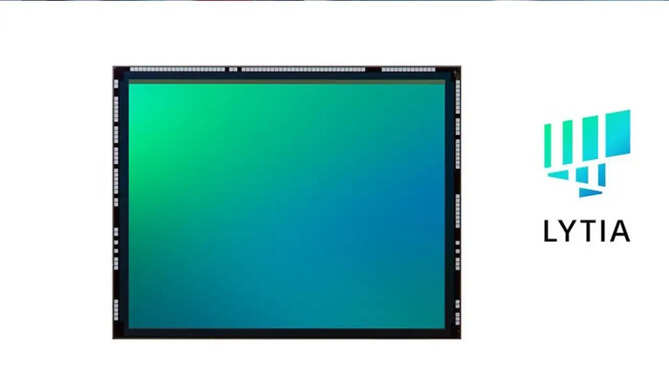
October 29, 2026: Sony has introduced a new image sensor designed to improve low-light photography on smartphones. The new Sony LYTIA 720 sensor offers a 50-megapixel resolution, advanced noise-reduction technology and support for 4K video recording with HDR. The company has primarily designed the sensor for the main rear camera of smartphones, aiming to reduce noise in night photos and produce clearer images in low-light conditions.
Sony Semiconductor Solutions Corporation is scheduled to begin commercial production shipments of the sensor in early November 2026. However, the company has not yet announced which smartphones will feature the new sensor first.
Sony LYTIA 720: Key Specifications and Camera Features
In a statement released on Wednesday, Sony confirmed that the LYTIA 720 is a stacked CMOS image sensor. It has a 1/1.56-inch optical format, a diagonal measurement of 10.24mm and approximately 50 million effective pixels. Each pixel measures 1.0 micrometre.
These specifications play an important role in determining a smartphone camera's image-capturing capabilities. However, the final image quality also depends on the camera lens, image-processing software and the smartphone's overall hardware configuration.
One of the sensor's key features is Ultra High Conversion Gain (UHCG) technology. It is designed to help the sensor capture light signals more effectively in low-light conditions. Sony has also incorporated its own low-noise circuit technology.
According to the company, the LYTIA 720 can reduce random noise by approximately 50% compared with a conventional product. This could be particularly useful when taking pictures at night, indoors or in shaded environments. Lower noise can make graininess less noticeable in dark areas and help preserve fine details.
However, Sony has not disclosed the specific testing conditions used to measure the claimed 50% reduction in noise.
Sony LYTIA 720 Supports HDR Photography and High-Speed Shooting
The new sensor features Hybrid Frame-HDR (HF-HDR) technology, which Sony says can deliver a maximum dynamic range of 100dB. Dynamic range refers to a camera's ability to retain details in both bright and dark areas of an image.
For example, when photographing a person against a bright sky, the person's face may appear too dark while the sky remains properly exposed. Alternatively, bright areas may become overexposed when the camera tries to brighten the subject. HDR technology helps balance these areas to produce a more detailed image.
The LYTIA 720 also supports multiple shooting speeds. Its Quad Bayer colour filter arrangement and all-pixel autofocus are designed to support fast and accurate image capture.
The sensor can capture up to 30 frames per second at 50-megapixel resolution in a 4:3 aspect ratio. At 12.5-megapixel resolution, the maximum shooting speed increases to 90 frames per second. With DCG-HDR technology, it can capture up to 30 frames per second at 12.5 megapixels.
These capabilities could be useful for photographing fast-moving subjects and capturing multiple frames in quick succession.
Sony LYTIA 720 Offers 4K Video Recording at Up to 120fps
Video recording is another important feature of the new Sony sensor. According to the company, the LYTIA 720 supports 4K video recording at up to 120 frames per second in a 16:9 aspect ratio.
When using DCG-HDR technology, the sensor can record 4K video at up to 60 frames per second. These two recording options serve different purposes. Recording at 120fps can help capture fast-moving scenes and provide footage suitable for slow-motion playback, while HDR recording can help retain details in bright and dark areas.
The actual performance of these features on a smartphone will depend on the manufacturer's camera software, processor and hardware configuration.
Sony has also specified the sensor's power requirements. Its analogue power supply operates at 2.8V or 1.8V, while the digital power supply operates at 1.1V. The interface supports 1.8V or 1.2V operation. These specifications relate to how the sensor connects and operates with other smartphone components.
Which Smartphones Will Feature the Sony LYTIA 720 Sensor?
Sony has not announced which smartphone manufacturers or models will use the LYTIA 720 sensor. Although it could appear in future Android smartphones, its adoption by any particular brand remains unconfirmed.
Commercial production shipments are scheduled to begin in early November 2026. More details about potential smartphone integrations may emerge as supplies become available and manufacturers announce their upcoming devices.
The LYTIA 720's claimed improvements in low-light photography, HDR performance and high-frame-rate video recording make it a notable development in smartphone camera technology. However, its real-world performance will need to be evaluated on actual smartphones to determine how much of an improvement it offers over existing camera sensors.
For now, the sensor's specifications indicate Sony's continued focus on improving smartphone photography through better light sensitivity, noise reduction and video capabilities.
