

New ‘DroidLock’ Malware Locks Android Phones and Demands Ransom
Increasing Mobile device malware specially the ones demanding money, is the prime reason why Mobile Ransomware Protection is now essential, writes Santhosh Kumar

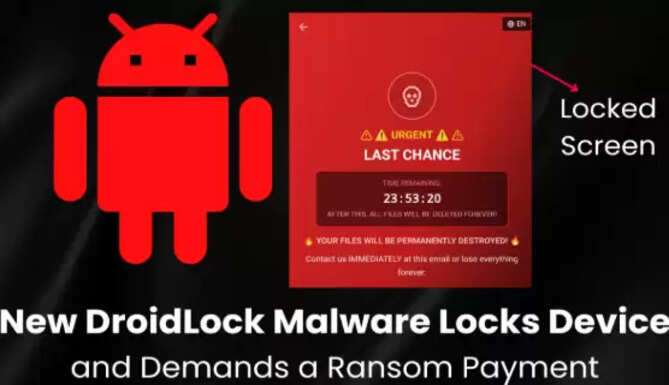
Udaipur, Dec 13, 2025: A newly discovered Android malware strain known as DroidLock is actively targeting users and locking them out of their devices while demanding ransom payments, according to recent mobile threat research. While the current campaign primarily targets Spanish‑speaking users, cybersecurity experts warn that the attack model is easily scalable and could spread globally.
How DroidLock Infects Android Devices
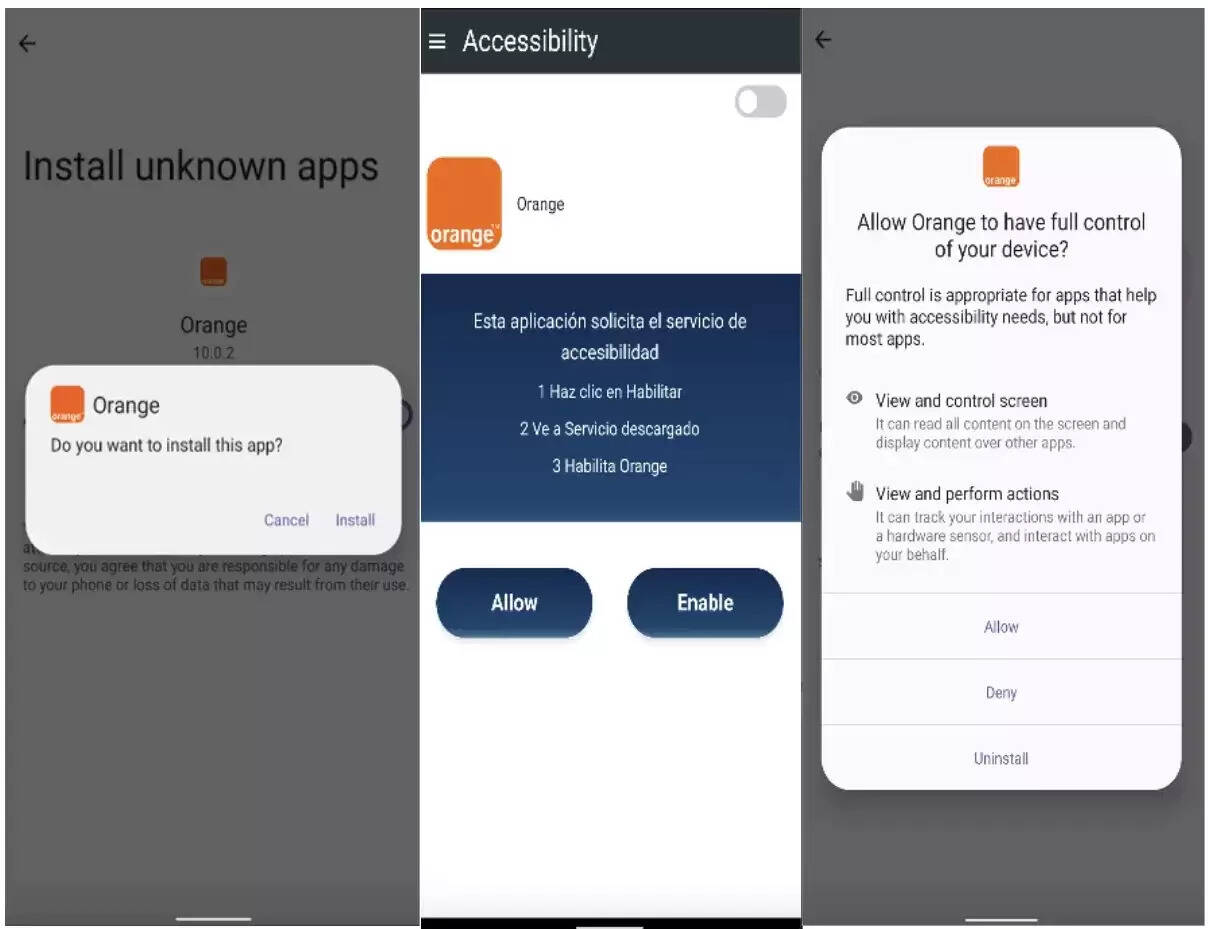
Research from mobile security firm Zimperium reveals that DroidLock is distributed through phishing websites that host fake Android applications designed to mimic legitimate services or trusted brands. Victims are tricked into downloading what appears to be a normal app, but it is actually a dropper that installs a second-stage payload containing the ransomware.
Once installed, DroidLock abuses device administrator privileges and accessibility services, granting itself deep control over the operating system. This level of access allows the malware to bypass standard security restrictions and operate silently in the background.
Device Lockout Without Encryption
Unlike traditional ransomware, DroidLock does not encrypt files. Instead, it achieves the same destructive outcome by:
- Changing the device’s PIN, password, or biometric settings
- Locking the screen behind a ransom message
- Blocking user interaction using a fake Android update screen
- Threatening to delete all files within 24 hours if payment is not made
By denying access to the phone entirely, the malware renders the device unusable, leaving victims with limited recovery options.
Advanced Surveillance and Control Capabilities
DroidLock goes beyond simple lockout tactics. Researchers warn that the malware can:
- Capture images using the front-facing camera
- Silence notifications to prevent alerts
- Record and transmit screen activity to a remote server
- Erase data remotely
- Monitor user behavior while hiding behind overlays
These capabilities give attackers full operational control and increase pressure on victims to comply with ransom demands.
At the time of disclosure, researchers did not reveal how many users have been infected or whether ransom payments were successfully collected.
Mobile Ransomware Is Rapidly Evolving
DroidLock is part of a growing trend in mobile-first ransomware and advanced Android malware. In recent months, security teams have also identified:
- Herodotus, a banking trojan that mimics human behavior to evade detection during remote-control sessions
- Sturnus, a malware strain capable of intercepting decrypted messages from apps such as WhatsApp, Telegram, and Signal
These developments highlight a clear shift: attackers are now treating smartphones as primary targets, not secondary devices.
Why Traditional Mobile Security Is No Longer Enough
Modern mobile ransomware does not rely solely on file encryption. Instead, it exploits:
- Accessibility abuse
- Overlay attacks
- Permission escalation
- Remote control frameworks
- Social engineering via fake updates and trusted branding
This means basic antivirus apps and user awareness alone are no longer sufficient.
Threats like DroidLock underline the need for proactive, behavior-based mobile protection. TraceX Guard is designed to address exactly these modern attack techniques.
As a world‑first mobile ransomware protection and 360‑degree mobile security solution, TraceX Guard focuses on real-time prevention, not post-attack cleanup.
- Detecting malicious permission abuse in real time
- Blocking ransomware-style device lock attempts
- Identifying hidden and dropper-based malware
- Monitoring accessibility and device admin misuse
- Providing network and Wi‑Fi security scanning
- Alerting users to identity exposure and breach risks
- Using threat intelligence feeds to stay ahead of emerging malware campaigns
By analyzing app behavior rather than relying only on signatures, TraceX Guard can stop ransomware that does not encrypt files but still takes full control of the device.
DroidLock is a warning sign of what mobile malware is becoming: stealthy, aggressive, and deeply embedded into the operating system. As attackers refine their techniques, mobile users need protection that understands how modern ransomware behaves, not just what it looks like.
With mobile devices now holding banking access, private communications, identity data, and business credentials, mobile ransomware protection is no longer optional.
#DroidLock #AndroidMalware #MobileRansomware #CyberSecurityNews #AndroidSecurity #TechNews #DigitalSafety #CyberThreat #UdaipurTech #RajasthanTech #IndiaCyberSecurity
