

Key Professional Skills to Help You Thrive in a Decentralised Workplace
Driven by technology and discipline, we now heavily rely on digital tools to manage, communicate and delegate workload, even in office workspaces. But when in-person interactions aren’t possible, we need to lean on digital tools even morea

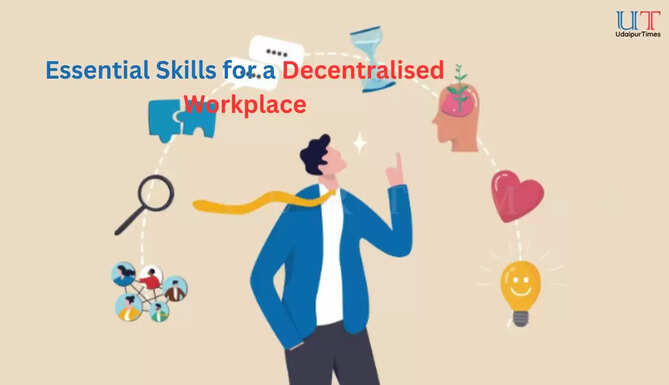
Sept 09, 2025: With the rise of remote work, decentralised workplaces are becoming the new standard. To make it work successfully, though, companies and employees alike need to keep prioritising digital communication, adaptability, and technological literacy to navigate a flexible and fast-changing work environment. It requires us to expand beyond traditional skills and embrace a hybrid mix of digital fluency, strategy, accountability, collaboration and interpersonal strength.
Driven by technology and discipline, we now heavily rely on digital tools to manage, communicate and delegate workload, even in office workspaces. But when in-person interactions aren’t possible, we need to lean on digital tools even more. From content management apps to communications platforms to a nimble online PDF editor, we’re able to review, edit, share and discuss documents from anywhere, whether it’s at home, in the office or even at a local café.
Below, we explore the essential skills needed to thrive in a decentralised workplace.
-
Technological Literacy
To work collaboratively, fluency across different digital platforms is critical. At the very least, you and your team need to know how the tools that your business utilises work. However, knowing a broad range of technological skills can really streamline your decentralised working operations. For example, those who can jump into a PDF editor, remove unnecessary information, add in more insights or apply a thematic design to it, will have a far easier time working online than someone without document editing skills.
Alongside this, apps like Asana, Google Drive and Microsoft Teams are used daily in a large number of corporations across the globe for things like project management, file sharing and communication. So, while you don't need to know every platform available, knowing how to use some of them can help you appear more professional to colleagues and clients.
-
Task Management
Decentralised workplaces thrive on clarity and organisation. Those who can prioritise tasks, manage workload efficiently, and communicate expectations will help you stand out as a reliable contributor. It’ll also help you work more effectively and complete your tasks faster.
Task management tools make this process easier, but it’s the mindset behind them that matters most. Approaching your workload with optimism, maturity, and foresight keeps projects on track and ensures smooth collaboration across distributed teams.
-
Communication and Relationship Building
When teams are spread across time zones and cultures, communication becomes the glue holding everything together. When colleagues are spread across different time zones, effective communication prevents misunderstandings and maintains team cohesion. Both written and verbal interactions should remain professional, approachable, and culturally sensitive. This is where digital platforms designed solely for communications like Teams or Slack aren’t just for messages come in.
Effectively communicating is essential. But what else is great about these tools is the relationship cultivating and maintaining that they facilitate. Tools like Slack, Teams, or even informal catch-ups via Zoom help maintain human connection in a digital environment. When chatting to colleagues through digital challenges, you should always aim to balance efficiency with empathy.
-
Collaboration
As mentioned, one challenge of decentralised workplaces is the absence of spontaneous office conversations that naturally build relationships. Decentralised workplaces bring the benefit of limited distractions, meaning individuals can easily set up their workplace to benefit them and their needs. But the payoff is fewer team interactions.
To compensate, teams must be intentional about collaboration. Hosting remote teamwork sessions, like icebreakers or weekly team meetings, can initiate active listening and shared responsibility. Collaboration also usually brings creativity and innovation by encouraging diverse perspectives, which is especially valuable when team members are spread across different cultures and regions.
-
Critical Thinking
As the volume of home office set-ups is growing, it’s possible we haven't yet experienced the height of the challenges in this environment. With critical thinking, we’re able to overcome problems and challenges as they arise, which we’ll need to utilise when the inevitable hiccups arise from decentralised work environments. Maybe your power is down for the day, or you can’t seem to log in remotely – all of these little obstacles require some critical thinking and planning to overcome and continue to work effectively.
In terms of the work itself, working remotely means relying on the digital space for tasks and collaboration. So whether it’s identifying a more efficient way to share documents or finding solutions to cross-cultural miscommunication, critical thinkers help teams navigate obstacles effectively. Over time, colleagues and clients come to rely on them as trusted advisors, which enhances professional reputation and creates career opportunities.
Being proactive in problem-solving also demonstrates maturity and leadership skills, qualities that are highly valued in decentralised organisations. When clients begin to see that you can make the best of a bad day or challenging circumstance, they’ll also begin to trust you more for future work, building your contact list and advancing your career.
-
Accountability
With decentralised workplaces on the rise, the importance of having strong initiative, time management and self-discipline can't be overstated. Without a manager physically present, you and your team need to demonstrate responsibility in getting your tasks completed successfully, setting daily goals, breaking larger projects into smaller tasks, and reviewing progress independently are critical practices.
Again, one way you can show your accountability is through digital project tools. For example, using digital calendars or project apps such as Trello and Asana allows workers to stay on schedule and ensure transparency with colleagues. This self-management not only strengthens productivity but also builds trust within the team. When you and your teammates consistently meet deadlines, you create a culture of reliability, which is vital in remote-first organisations.
Leveraging Digital Tools to Thrive in a Decentralised Workplace
To excel in a decentralised workplace, there are a number of skills we either need to develop or refine, depending on where you’re currently at with them. Our communication skills, accountability, adaptability, technological literacy, critical thinking skills and collaboration are key to working in a decentralised workplace. Many of these can be fostered and grown by leaning on digital tools that are designed to provide a central system for a physically apart work team.
So, take a digital literacy course, build stronger relationships with your colleagues and work harder towards your future to help you manage a transition out of a centralised office with ease.
#DecentralisedWorkplace #RemoteWork #HybridWork #DigitalSkills #WorkplaceTrends #Collaboration #TaskManagement #TechLiteracy #FutureOfWork
