

Scaling Healthcare Infrastructure: A Smart Guide to Availing Medical Equipment Loans
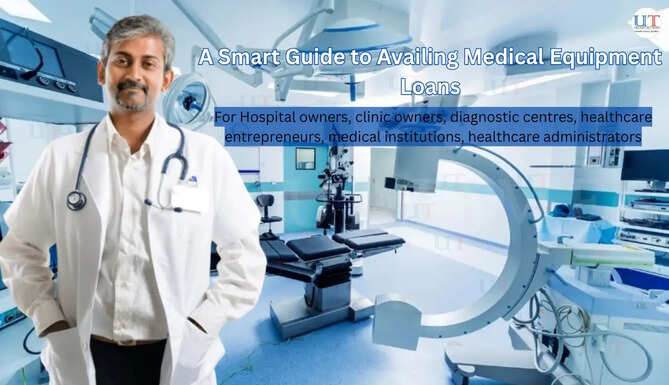
Udaipur, June 30, 2026 | Finance Blog: What does healthcare growth look like today? For many hospitals, clinics, and diagnostic centres, it starts with better equipment. Patients expect accurate diagnoses, faster services, and improved treatment experiences. Meeting these expectations often requires investment in advanced medical technology.
The challenge, of course, is cost. Purchasing equipment outright can place pressure on business finances. Many healthcare providers explore medical equipment loans to support expansion while maintaining financial flexibility.
If you are planning to expand your healthcare infrastructure, this blog explores how medical equipment loans can support your next step.
Key Steps to Secure Medical Equipment Financing for Healthcare Growth
Once a healthcare provider identifies equipment requirements, the next step is understanding how to apply for medical equipment loans. Following the required steps and preparing the necessary documents can help healthcare businesses move through the process more efficiently and reduce delays during evaluation.
Step 1: Assess Your Equipment Requirements
Before applying for medical equipment loans, identify the equipment your facility requires and the funding needed for the purchase. This may include MRI machines, CT scanners, ultrasound machines, colour dopplers, or X-ray machines. The requirement should be clearly defined so that the funding request is properly structured.
This step helps ensure that the application reflects the actual business need. It also supports better preparation of the project report and funding details that may be required during the process.
Step 2: Check Whether Your Business Qualifies
Healthcare businesses should confirm their eligibility before applying for medical equipment loans. Eligible segments include:
- Speciality or super-speciality hospitals
- Nursing homes
- Diagnostic centres
- Pathology lab centres
- Speciality clinics, including skin and dental clinics
- Dialysis centres
- Endoscopy centres
- IVF centres
- Medical, paramedical, and dental educational institutions
- Large medical equipment dealers
- Pharmaceutical manufacturers
Applicants should also meet the specified requirements relating to business experience, occupancy history, repayment history, and banking transactions. This helps ensure that the business falls within the approved categories before moving ahead with the application process. Reviewing eligibility in advance can help avoid unnecessary delays later in the process.
Step 3: Prepare the Required Pre-Approval Documents
Before submitting an application for medical equipment loans, the following documents may be required:
- Last three years' income tax returns with balance sheet and profit and loss account for all individual promoters. For private limited companies and partnerships, these may also be required for the company.
- Last six months' bank statements for all individual promoters. For firms, these may also be required for the company.
- Copy of the Memorandum of Association (MOA) for a private limited company or partnership deed for a partnership firm
- KYC documentation for promoters and firms
- Track record of previous or running loans
- Details of funding requirements and project reports
- Other documents based on funding requirements
These documents help in assessing the financial and operational profile of the applicant. Keeping them ready in advance can help ensure a smoother evaluation process.
Step 4: Complete Post-Approval Requirements
Once medical equipment loans are approved, certain documents may be required before disbursement, including:
- Duly signed loan agreement
- Post-dated cheques (PDCs), ECS forms, or standing instruction requests with security PDCs, where applicable
- Margin money receipt
- Other documents required under the sanctioned terms and conditions
These requirements form part of the formal approval process. Completing them correctly ensures that the sanctioned facility can move towards disbursement without avoidable delays.
Step 5: Fulfil Post-Disbursement Requirements
Following disbursement, healthcare providers may need to submit additional documents and complete related requirements, including:
- Original hypothecated invoice for healthcare equipment financed under the facility
- Insurance policy endorsed in favour of the lender for assets provided as security
- Asset verification within seven days of disbursement
- Annual site visits related to the financed assets
- Timely submission of required documents to avoid applicable penalties or levies
Completing these requirements on time helps maintain compliance with the terms of the financing arrangement.
Healthcare businesses with broader funding requirements beyond equipment purchases may also consider an MSME loan to support expansion, working capital needs, or other business growth initiatives.
Turn Your Healthcare Expansion Plans into Reality
Scaling healthcare infrastructure requires more than simply acquiring new equipment. Healthcare providers need to evaluate equipment requirements, financial commitments, operational readiness, and growth objectives before making investment decisions. Each factor contributes to ensuring that infrastructure expansion supports business needs and enhances service delivery. When approached strategically, medical equipment loans can support facility expansion, strengthen diagnostic and treatment capabilities, and improve the overall patient experience while maintaining financial flexibility.
For healthcare businesses planning to invest in advanced medical technology, financial institutions like HDFC Bank offer healthcare and equipment financing solutions for a range of healthcare segments. By understanding eligibility requirements, preparing the necessary documentation, and aligning financing decisions with business objectives, healthcare providers can make more informed choices that support future infrastructure development, operational efficiency, and sustainable healthcare growth.
Disclaimer:This Post is not written or produced by UdaipurTimes writers/journalists. UdaipurTimes follows ASCI guidelines for Online Advertising. The information may involve financial or health risk and UdaipurTimes does not endorse or promote any claims made in this post.
