

What Is Telogen Effluvium Hair Loss?

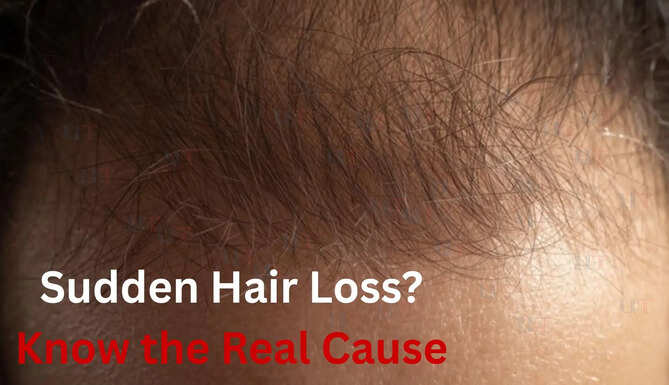
Udaipur, March 27, 2026: Losing more hair than usual can be alarming, especially when it seems to happen suddenly. You might notice clumps in the shower drain, more strands on your pillow, or a noticeably thinner ponytail. Before assuming the worst, it helps to understand what your body might actually be going through. In many cases, the culprit has a name — telogen effluvium — and it's more common and more manageable than most people realize.
What Telogen Effluvium Actually Means
Your hair doesn't grow continuously. It cycles through distinct phases — a growth phase (anagen), a transitional phase (catagen), and a resting phase (telogen). At the end of the resting phase, the hair naturally sheds and a new strand begins growing in its place.
Telogen effluvium happens when a large number of hair follicles are pushed into the resting phase at the same time, usually due to some kind of internal stress or shock to the body. Instead of the normal 10–15% of hairs resting at any given point, that number can shoot up significantly. The result is widespread shedding — sometimes 300 or more strands per day versus the usual 50–100.
What Triggers This Kind of Hair Loss
The trigger is almost always something that happened two to three months before the shedding starts. This delay is what makes it confusing — people rarely connect the hair loss to its actual cause.
Common triggers include:
-
High fever or a serious illness (including viral infections like COVID-19)
-
Major surgery or physical trauma
-
Significant emotional stress or a prolonged difficult life event
-
Crash dieting, rapid weight loss, or nutritional deficiencies
-
Hormonal shifts — pregnancy, postpartum changes, stopping birth control
-
Thyroid dysfunction
-
Certain medications, including some antidepressants and blood thinners
The body essentially makes a survival decision. During periods of stress or deprivation, it redirects energy away from non-essential functions — and hair growth falls into that category biologically.
Why the Timing Makes It Harder to Diagnose
One of the most disorienting aspects of telogen effluvium is this lag between cause and effect. Someone might go through a difficult period, feel like they've recovered, and then two months later their hair starts falling out — which brings on a whole new wave of anxiety.
That anxiety can then become its own stressor, potentially prolonging the shedding cycle. Doctors often have to do a bit of detective work, asking about events that occurred months before the symptoms appeared, rather than focusing only on what's happening right now.
How It Differs from Other Types of Hair Loss
Telogen effluvium is diffuse — meaning it affects the whole scalp more or less evenly, rather than causing patches or a receding hairline. This is different from alopecia areata, which creates distinct bald patches, or androgenetic alopecia (pattern baldness), which follows a more predictable pattern linked to hormones and genetics.
The distinction matters because the treatment approach is completely different. Treating telogen effluvium like pattern baldness — or ignoring it entirely — won't address the underlying trigger. And without addressing that, the shedding is unlikely to stop.
What Recovery Looks Like
The encouraging news is that telogen effluvium is largely reversible once the root cause is identified and addressed. Most people see shedding slow down within three to six months after the trigger is resolved, though full recovery can take up to a year.
Recovery generally involves:
-
Addressing nutritional gaps, particularly iron, vitamin D, zinc, and protein
-
Managing the underlying health condition if one is present
-
Reducing or managing stress — easier said than done, but genuinely important
-
Being patient, since hair regrowth is a slow biological process
Some people benefit from a more structured approach. Platforms like Traya work by first identifying the specific root cause of hair loss — whether nutritional, hormonal, stress-related, or a combination — before recommending a treatment plan. That kind of diagnostic thinking is more aligned with how telogen effluvium actually works.
Final Thoughts
Telogen effluvium is your body's response to being overwhelmed — it's a signal, not a sentence. Understanding what caused it is the first and most important step. Rather than chasing quick fixes, the more useful question to ask is: what happened in my body or life two to three months ago? That answer often points directly toward what needs attention. Hair loss of this kind isn't permanent for most people, but recovery does require honesty about what your body has been through.
