

Diabetes and Blood Pressure Medicines: Lifelong Necessity or Common Myth?
These two diseases often occur together (i.e., diabetes can cause high blood pressure) so managing both diseases is critical to ensuring good health over the long term
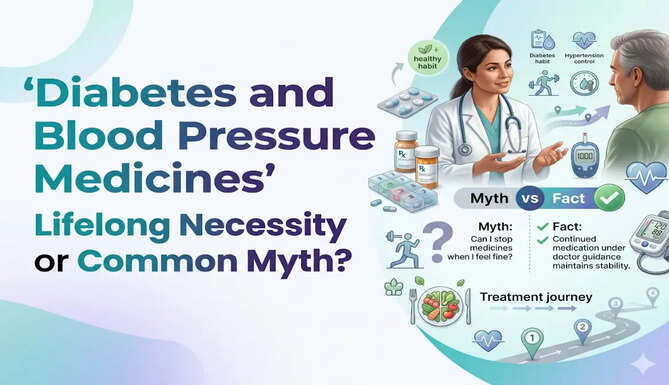
Udaipur, June 17, 2026: In the world today, diabetes and hypertension are two of the most prevalent chronic diseases, impacting many people around the globe at different ages and stages of life. A lot of attention is paid to managing both of these diseases with major lifestyle changes and medication. One of the most common questions patients have after being diagnosed is: "Will I have to continue taking these medications for the rest of my life?" The answer is not simple; some people will likely need to take their medications indefinitely in order to keep their condition under control.
Still others may be able to reduce or discontinue certain medications, provided they have made the necessary lifestyle changes under their healthcare provider's supervision. A better understanding of what diabetes and hypertension medications do will help clarify many myths and misconceptions about these medications and assist in making better-informed decisions about your healthcare.
Key Takeaways
-
Managing diabetes and hypertension (high blood pressure) is a long-term process that can be complicated.
-
Not all patients diagnosed with diabetes and/or high blood pressure will require medications for their entire lives.
-
Implementing lifestyle changes can have an enormous impact on blood sugar and blood pressure management and therefore overall health.
-
Newer medications are also available that will change how type 2 diabetes is treated. It is very important that any changes to medications are done with the guidance of a qualified healthcare professional.
Understanding Diabetes and High Blood Pressure
Diabetes occurs when your body is unable to control blood glucose levels properly. With type 2 diabetes, your body either resists insulin or fails to produce sufficient amounts for optimum glucose control.
Hypertension, or high blood pressure occurs when the pressure of blood against your arteries remains elevated consistently. Uncontrolled chronic hypertension can lead to serious health problems, like cardiovascular disease or stroke, kidney failure and many other medical and health complications.
These two diseases often occur together (i.e., diabetes can cause high blood pressure) so managing both diseases is critical to ensuring good health over the long term.
Why Doctors Prescribe Long-Term Medication
The main purpose of treating medical conditions is to minimize the likelihood of complications. Compared to some infections, which can be cured with antibiotics over a short period of time, diabetes and high blood pressure tend to require long-term management due to their complexity, involving both changes to how a person’s body metabolizes food and how the heart and blood vessels operate.
The purpose of medicines used to treat diabetes is to control blood sugar levels and reduce the likelihood of damage to the eyes, kidneys, nerves, and blood vessels. Similarly, blood pressure medications can help protect the organs of the body by decreasing the stress imposed on the heart and blood vessels.
In treating patients with chronic diseases, many times the quality of the patient's disease management is accomplished through medications that provide consistency, allowing lifestyle changes to have a phase II effect without competing for control.
The Myth That Medicines Must Always Be Taken Forever
One of the most widespread misconceptions is that receiving a diagnosis of diabetes or hypertension automatically means lifelong dependence on medication.
In reality, treatment plans are highly individualized. Some patients experience substantial improvements through:
- Weight loss
- Regular physical activity
- Improved dietary habits
- Better sleep quality
- Stress management
- Reduced alcohol consumption
- Smoking cessation
If these changes result in lasting changes to blood sugar/blood pressure levels, healthcare providers may start reducing medication dosages or discontinuing certain medications over time.
Unfortunately, this will not work for all people. There are multiple variables such as; age, genetics, time diagnosed with a disease, and complications that may impact the safety and appropriateness of reducing medication.
The Role of GLP-1 Medicines in Modern Diabetes Care
Recent advances in diabetes treatment have introduced a new class of medications known as GLP-1 Medicines. These medications mimic a natural hormone called glucagon-like peptide-1, which helps regulate blood sugar levels.
GLP-1 Medicines work by:
- Stimulating insulin release when blood sugar rises
- Slowing stomach emptying
- Reducing appetite
- Promoting weight loss
- Lowering blood glucose levels
GLP-1 Therapies for Type 2 Diabetes: More than Just Blood Sugar Control
For a lot of individuals suffering from Type 2 Diabetes, these medications provide additional advantages than merely controlling blood sugar levels. When somebody loses weight through GLP-1 therapy, their glucose levels may become more normal and there may be a reduction in the amount of additional medications needed to control their blood sugar in the long-term.
Furthermore, several clinical trials have demonstrated GLP-1 therapy reducing cardiovascular risk in patients who are both diabetic and have heart disease risk factors, which makes them very useful medications for an individual with both diseases.
GLP-1 medications are not considered to be a "cure" for diabetes per se, and therefore are included into a comprehensive plan for diabetes management and treatment, which includes lifestyle modifications and ongoing diabetes-specific medical supervision.
Can Blood Pressure Medicines Be Stopped?
The possibility of stopping blood pressure medication depends largely on the underlying cause of hypertension.
In cases where excess weight, poor diet, physical inactivity, or chronic stress contribute significantly to elevated blood pressure, substantial lifestyle changes can sometimes bring readings back into a healthy range.
Doctors may consider reducing medication if:
- Blood pressure remains consistently controlled.
- The patient has maintained healthy lifestyle habits.
- There are no signs of organ damage.
- Regular monitoring confirms stable readings.
However, abruptly stopping blood pressure medication without medical supervision can be dangerous and may lead to sudden spikes in blood pressure, increasing the risk of heart attack or stroke.
Why Medication Adherence Matters
One of the biggest challenges in managing chronic diseases is medication adherence. Many patients stop taking their medicines once they start feeling better, believing the condition has been cured.
Unfortunately, diabetes and hypertension can continue causing damage even when symptoms are absent.
Poor medication adherence may result in:
- Uncontrolled blood sugar levels
- Increased risk of cardiovascular disease
- Kidney complications
- Vision problems
- Stroke
- Heart attack
Maintaining open communication with healthcare providers ensures that treatment plans remain effective and aligned with the patient's changing health needs.
The Importance of Regular Monitoring
Successful management requires ongoing evaluation rather than a one-time treatment decision.
Patients should regularly monitor:
- Blood glucose levels
- HbA1c levels
- Blood pressure readings
- Kidney function
- Cholesterol levels
- Body weight
Routine follow-up appointments allow doctors to assess progress and make necessary adjustments to medications. In some cases, improvements may support dose reductions, while others may require intensified treatment to prevent complications.
Accessing Medicines Safely and Affordably
Individuals with chronic conditions require constant access to their medications; therefore, dependable health care websites like MrMed allow patients to conveniently obtain their medications while continuing to receive their care.
Both the cost and the ability of a patient to obtain their medications are key in assisting a patient to stay on course with his or her long-term treatment goals for medications such as traditional diabetes medications, newer GLP-1 medications and blood pressure medications.
Partnering with your healthcare provider and utilizing trusted sources for obtaining your medications can greatly assist a patient in staying on track and meeting their treatment goals.
What Is Worth Remembering
Many people mistakenly believe that living with diabetes or high blood pressure means taking medications for life. While this may be true for some patients, many people can improve their life through improved lifestyle habits and proper supervision by their doctor (physician).
The important thing is not whether a person will take medications for the rest of his/her life, but whether he/she has optimal control over the disease. Thanks to new treatment alternatives such as GLP-1 Medicines, management of type 2 diabetes has now become easier than before.
Before stopping any diabetes or blood pressure medication regimen, a patient should always talk to his/her doctor. With proper medical treatment combined with healthy eating and exercise habits, a patient can expect to live longer with fewer health complications because of diabetes or high blood pressure.
Disclaimer: This article is for general informational purposes only and should not be considered medical advice. Always consult a qualified healthcare professional for diagnosis, treatment, and guidance specific to your condition.
This Post is not written or produced by UdaipurTimes writers/journalists. UdaipurTimes follows ASCI guidelines for Online Advertising. The information may involve financial or health risk and UdaipurTimes does not endorse or promote any claims made in this post.
