

Sabarimala Case Day 8: Won't Accept 'WhatsApp University' Information, Says SC
On Day 8 of the Sabarimala case hearings, the Supreme Court stressed reliance on credible evidence over misinformation, highlighting Constitutional principles in religious freedom vs gender equality debate

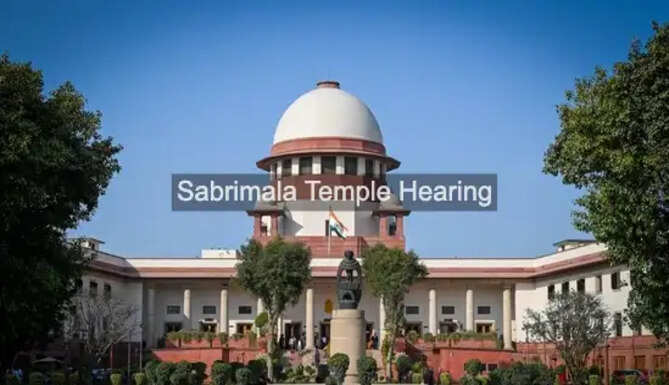
April 23, 2026 - On Day 8 (April 23) of the hearings in the Sabarimala reference case by a nine-judge Constitution Bench of the Supreme Court, the judges continued to hear both sides on the scope of religious freedom versus gender equality. Apart from CJI Surya Kant, the Bench comprises Justice BV Nagarathna, Justice MM Sundresh, Justice Ahsanuddin Amanullah, Justice Aravind Kumar, Justice Augustine George Masih, Justice Prasanna B Varale, Justice R Mahadevan and Justice Joymalya Bagchi.
In 2018, a five-judge Constitution Bench had passed an order, by a 4:1 majority, allowing women of all ages to enter Sabarimala Ayyappa temple in Kerala. After protests, the matter was referred to a larger Bench to settle broader Constitutional issues.
During arguments on Thursday, references to public commentary (including opinion pieces) were raised, prompting the Court to caution against unreliable sources. The Bench emphasised that it will not rely on “WhatsApp University” while deciding issues related to religious freedom and Constitutional rights. The judges stressed that decisions must be based on credible material, legal reasoning and Constitutional principles, not popular narratives or misinformation.
This remark came after senior advocate Neeraj Kishan Kaul, appearing for the head of the Dawoodi Bohra community, made a reference to an article about judicial restraint in matters of religious relief by Shashi Tharoor. When CJI Kant pointed out that “personal opinion is personal opinion", Kaul replied there was no harm in drawing from all sources. To this, Justice Nagarathna replied in a lighter vein, "But not from WhatsApp University."
There are 66 matters tagged to the Sabarimala Review, including cases such as the right of Muslim women to enter mosques, the right of Parsi women to enter a Fire Temple after marrying a non-Parsi, and the practice of female genital mutilation (FGM) among the Dawoodi Bohra community.
With Media Inputs
#SabarimalaCase #SupremeCourtIndia #WhatsAppUniversity #ReligiousFreedom #GenderEquality #IndianJudiciary #ConstitutionBench #LegalNewsIndia #TempleEntry #LawAndJustice #RajasthanNews #UdaipurNews
