

'Indigo Mayhem: Textbook Example of Why Board Vigilance on Compliance Framework is Critical' - Maithreyi Swaminathan
Indigo was apparently unprepared despite the lead time, and the consequences were massive - on passengers and regulatory credibility...

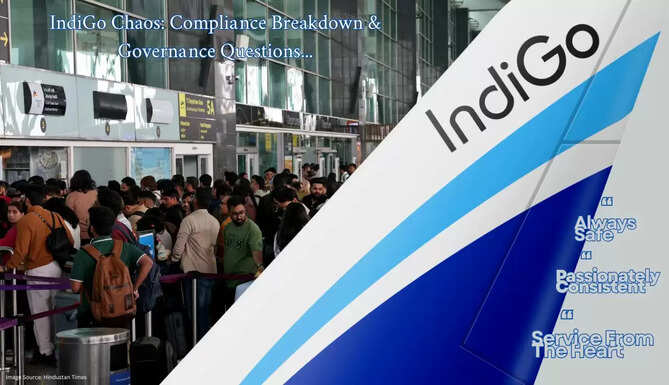
New Delhi, Dec 08, 2025: Does a one page apology saying sorry but mentioning neither reasons nor corrective follow through actions really absolve Indigo of the nationwide chaos of the past week?
Was it a case of holding the nation hostage knowing the DGCA would buckle under the pressure (which it did)?
Or was it genuine non availability of pilots for 25% of their daily flights which explains the 500 cancelled flights?
One thing it surely was – a compliance failure. The DGCA revised the FDTL regulations in January 2024 after reviewing fatigue incidents and comparing global regulatory models. Airlines were expected to restructure rosters and increase pilot availability to comply with immediate effect on May 31 last year, with airlines initially required to comply by June 1, 2024, but their implementation was deferred to a phased roll-out starting July 1, 2025 and completing by November 1 this year.
FDTL exists to ensure aviation safety. Global regulators treat fatigue as a significant operational risk, especially on early-morning departures and night landings. By expanding mandatory rest and reducing the intensity of night operations, the DGCA has also aimed to align Indian practice more closely with international norms.
Indigo’s core values include glib catch-phrases like “Always safe”, ‘Passionately consistent” and “Service from the heart”. What was the Board of Indigo doing for governance on meeting this key compliance requirement that was known 17 months in advance? The board did not ensure compliance readiness despite clear regulatory timelines. There can be zero tolerance for non-compliance of any regulatory requirements, more so when a non-compliance will compromise operations, reputation and core values. Cost pressures can never justify non-compliances.
The crisis has eroded public trust and investor confidence, raising questions about whether the board acted swiftly enough to protect the airline’s brand.
Maithreyi Swaminathan, a ESG consultant and Independent Director, called this case a textbook example of why board vigilance on compliance frameworks is as critical as financial oversight. It underscores the need for boards to establish early-warning systems for regulatory changes, demand implementation roadmaps from management and monitor risk dashboards that flag compliance vulnerabilities.
Will this event trigger further tightening of risk management and governance frameworks for the Corporate sector at the Board level or will it fade from public and regulator memories within the next few weeks to be only a nightmarish travel experience memory for those impacted?
The Author, Maithreyi Swaminathan is an ESG Consultant based out of Gurugram, India
