

Green Mobility in Udaipur: Can Walkable Streets and Cycle Paths Transform the Lake City?
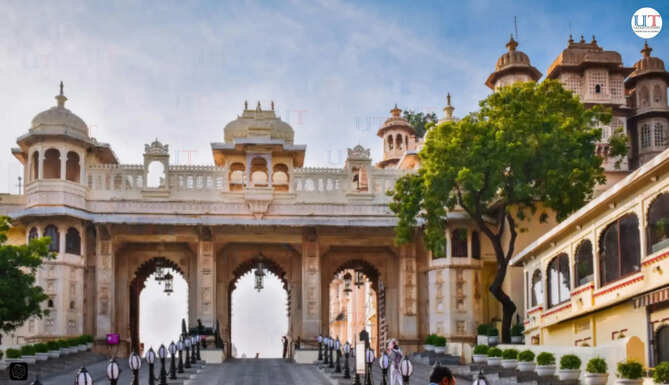
Udaipur, May 19, 2026: Narrow lanes lined with centuries-old facades give Udaipur unmatched charm, yet the same postcard scenery now struggles under relentless vehicular pressure. Cars and motorbikes weave around hand-pulled carts, while exhaust settles over Lake Pichola like an unwanted morning veil. The conversation about sustainable movement is no longer theoretical; it feels personal for shop owners counting fewer pedestrians and for parents timing school runs against gridlock.
Public forums gained momentum after Crorewin India released a citizen survey showing almost sixty percent of commuters would abandon short car trips if safe footpaths and protected cycle tracks existed. The report framed walkability not as a luxury but as a daily health and economic requirement. It also highlighted a surprising consensus: residents, business groups, and tourist operators all supported reallocating some road space away from private vehicles.
Understanding the Current Mobility Puzzle
Tourism anchors much of the local economy, and international visitors increasingly seek destinations where strolling feels effortless. Unfortunately, fragmented sidewalks, sudden potholes, and random parking create a harsh first impression. Heritage restoration projects succeed in polishing palace walls, yet outside those courtyards, daily errands often demand motorised transport even for distances under one kilometre.
Main Obstacles Slowing Pedestrian Progress
- Fragmented Infrastructure – Sidewalk segments start and end without warning, forcing detours onto busy carriageways.
- Unregulated Parking – Two-wheelers occupy curb space, squeezing walkers against uneven drainage covers.
- Lack of Shade – Afternoon heat discourages non-motorised movement, especially for seniors and children.
- Inconsistent Signage – Crossing points lack clear markings, and vehicle priority remains ambiguous.
Urban planners now argue that solving any single hurdle yields limited benefit; an integrated approach must tackle comfort, safety, and legibility together.
Inspiration From Comparable Heritage Cities
Jaipur and Mysuru, both guardians of architectural legacy, recently piloted slow-traffic corridors with encouraging results. Retail revenue on redesigned streets grew once shoppers felt free to linger. Importantly, neither initiative relied on extravagant technology; instead, basic kerb extensions, compact roundabouts, and timed delivery windows reshaped traffic rhythm.
Udaipur’s street grid already provides human-scale blocks in the inner core. Extending that advantage to newer neighbourhoods requires policy alignment rather than radical reconstruction. Draft documents circulating within the municipal corporation propose a phased scheme: start small near market zones, monitor crash statistics, adjust geometry, then expand outward.
Building a Cycling Culture From Ground Level
Bicycle ownership in Rajasthan historically leans rural, yet rising fuel costs push urban households to reconsider pedal power. Still, casual riders hesitate amid unpredictable lane discipline. Dedicated tracks, even short pilot stretches, signal official commitment and encourage wider adoption. Schools and colleges could host monthly ride events, normalising cycles as aspirational rather than dated.
Practical Steps That Accelerate Change
- Pop-Up Lanes – Temporary cones demarcate weekend cycling corridors, collecting user feedback before permanent investment.
- Cycle-Share Hubs – Docking stations at bus depots bridge last-kilometre gaps, lowering entry barriers for newcomers.
- Shade Trees and Water Points – Simple amenities turn functional routes into genuinely pleasant journeys.
- Local Repair Stands – Mobile mechanics stationed along popular paths reduce anxiety about mid-ride breakdowns.
Spacing initiatives throughout the year keeps momentum alive, demonstrating progress while larger capital projects unfold.
Economic and Environmental Dividends
Walkability directly supports handicraft stalls and street-food vendors because slower movement equals higher browsing time. Property analysts note that pedestrian-friendly districts command rental premiums, attracting boutique hotels seeking tranquil ambience. Meanwhile, climate models project Udaipur’s summer highs to creep upward; fewer engine emissions translate into marginally cooler microclimates, a small but measurable relief for lakes already stressed by evaporation.
Healthcare researchers also connect active commuting with lower incidences of hypertension and type-2 diabetes. When daily steps rise, preventive outcomes follow, easing pressure on municipal clinics. Insurance providers in other Indian cities have begun offering lower premiums to policyholders living within walking distance of workplaces, hinting at financial incentives that could complement infrastructure upgrades.
Governance, Equity, and Long-Term Vision
Successful green mobility demands participatory planning. Vendor associations worry about delivery access, and rural migrants rely on two-wheelers for dawn-to-dusk shifts. Inclusive workshops can map essential vehicle routes while still carving calm pockets for walkers. Transparent metrics, air-quality readings, travel-time surveys, accident data allow residents to judge effectiveness rather than rely on slogans.
Funding remains another hurdle, yet blended models show promise. Advertising revenue from street furniture, public-private maintenance compacts, and climate-action grants together create a diversified pool. Each rupee spent on wide, even pavement yields multifold returns through tourism loyalty and reduced fuel import costs.
A Future Worth the Effort
Can Udaipur truly become a haven for walkers and cyclists? Evidence from peer cities and fresh local enthusiasm suggest a cautious yes. The task will involve repainting lines, educating drivers, and planting hundreds of banyan saplings for shade that future generations will appreciate. Progress may feel incremental, but every smooth crossing and newly planted tree seeds behavioural change.
Cities thrive when movement feels effortless and safe. By aligning policy, design, and community spirit, the Lake City stands poised to prove that heritage charm and twenty-first-century mobility need not clash. Instead, elegant arches can frame car-free vistas where voices replace horns, and pedal power carries residents across stone bridges beneath cooling canopy an image as inviting for locals as for visitors seeking the next destination that values both culture and breathing room.
Photo Credit: Unsplash
DISCLAIMER:
This Post is an Advertorial. It is not written or produced by UdaipurTimes writers/journalists. UdaipurTimes follows ASCI guidelines for Online Advertising. The information may involve financial or health risk and UdaipurTimes does not endorse or promote any claims made in this post.
